
Tips and Tricks from Season Seven 2025: Europe

At the end of every travel season, we look back and list our lessons learned along the way. We share those tips with you in the hopes that one or two of them help you with your travels. Our tips in the past have been pretty specific, but this time, they are more a discussion of a topic from our experiences. Here is our list of tips from our Season Seven: Europe.
If you want, click on a link below to go directly to a tip.
Tip One: Travel and Health Insurance
Tip Five: Cruises and Packaged Tours
Tip Ten: Foreign Languages (added March 5, 2026)
Tip One: Travel and Health Insurance

Our European trip spanned almost seven months. Finding travel and health insurance that would cover us for that long was difficult. In the future, we’ll probably limit our international trips to three months or less, as that seems to open up more possibilities.
Most U.S. health insurance does not cover you outside of the country. Medicare does not normally cover you outside of the country, except for some supplemental plans, like Plan G. But then Plan G only covers 80% of eligible medical emergency expenses for the first 60 days out of the country.
Travel insurance for trips longer than six months was really hard to find. We eventually found Allianz, thanks to a recommendation from a fellow international traveler. Allianz had a single trip plan that would last as long as a year. They also had an annual plan that would cover multiple trips, but each trip had to be less than 90 days, so that wouldn’t work for us. Our main concern with the single trip plan was that if we had to return to the United States for some reason in the middle of our trip, the insurance coverage ended. So we wouldn’t be able to return to Europe and finish our trip unless we found a different insurance plan with a different company to cover the rest of the trip.
The plan we chose was the One Trip Premier plan, which provided both travel and health insurance. For the travel insurance portion, Allianz asks you for the total cost of your trip. However, the trip cancellation policy only covers prepaid, non-refundable costs. Many of our advance reservations, especially lodging, would give a full refund if cancelled with enough advanced notice. So, instead of insuring the total cost of our trip, we only insured the maximum amount that we had at risk at any given time during the trip. This kept the travel insurance costs more reasonable.
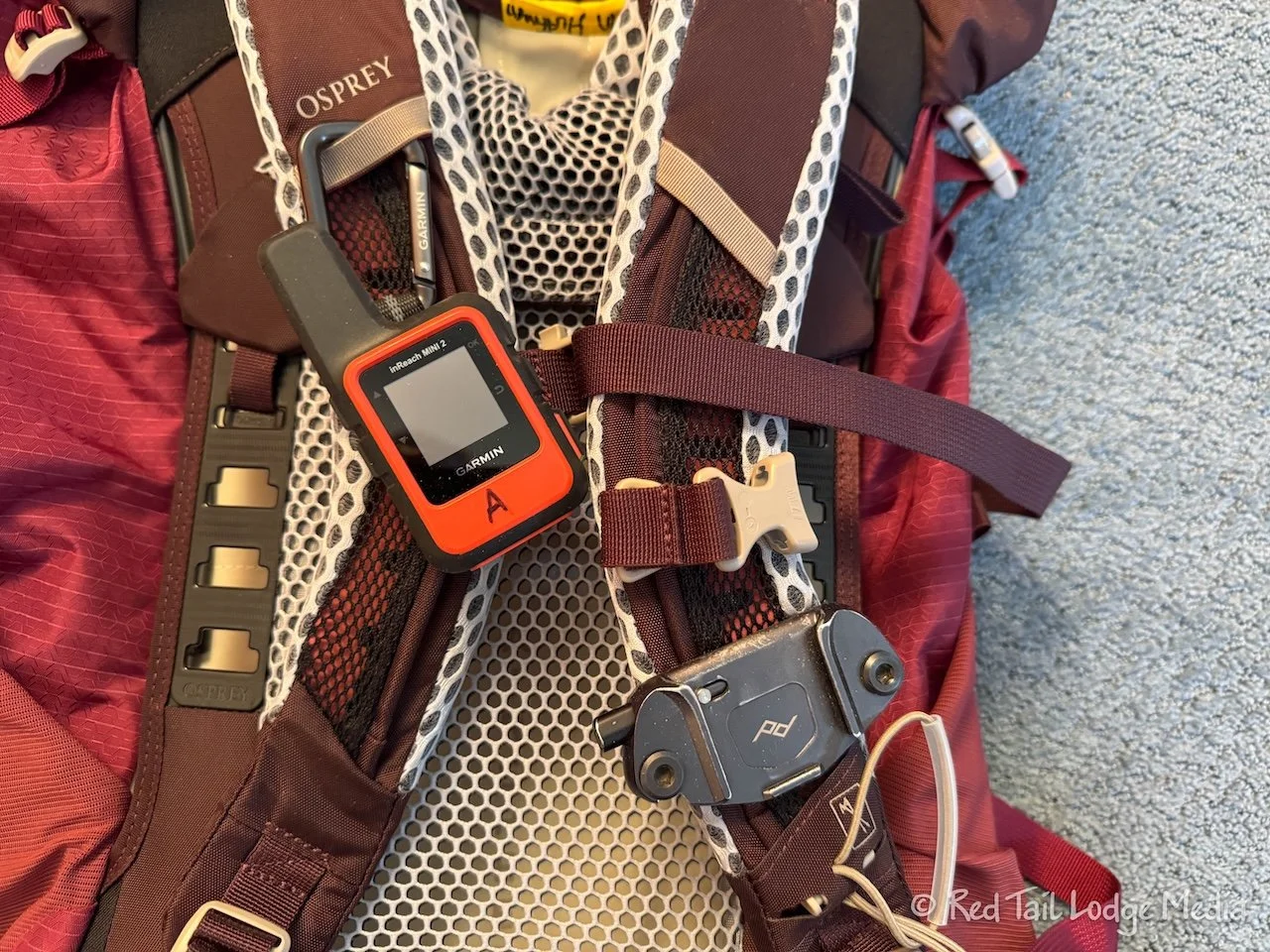
In addition, we kept our Garmin InReach Search and Rescue (SAR) insurance. We hike a lot, had plans to hike the Tour du Mont Blanc (TMB) long distance trail in the Alps, and brought our Garmin InReach devices with us. We believe that the Allianz insurance would have covered extracting us from the Alps, but Garmin’s SAR insurance doesn’t cost much. So we were probably over insured for that.
We planned our trip to Europe ourselves and did not go through a travel agent or travel company. Many travel companies offer travel and health insurance as part of their travel packages. Accepting their coverage would be the easiest thing to do. You would need to do your own research on whether there are cheaper options out there.
Tip Two: Exchanging Money
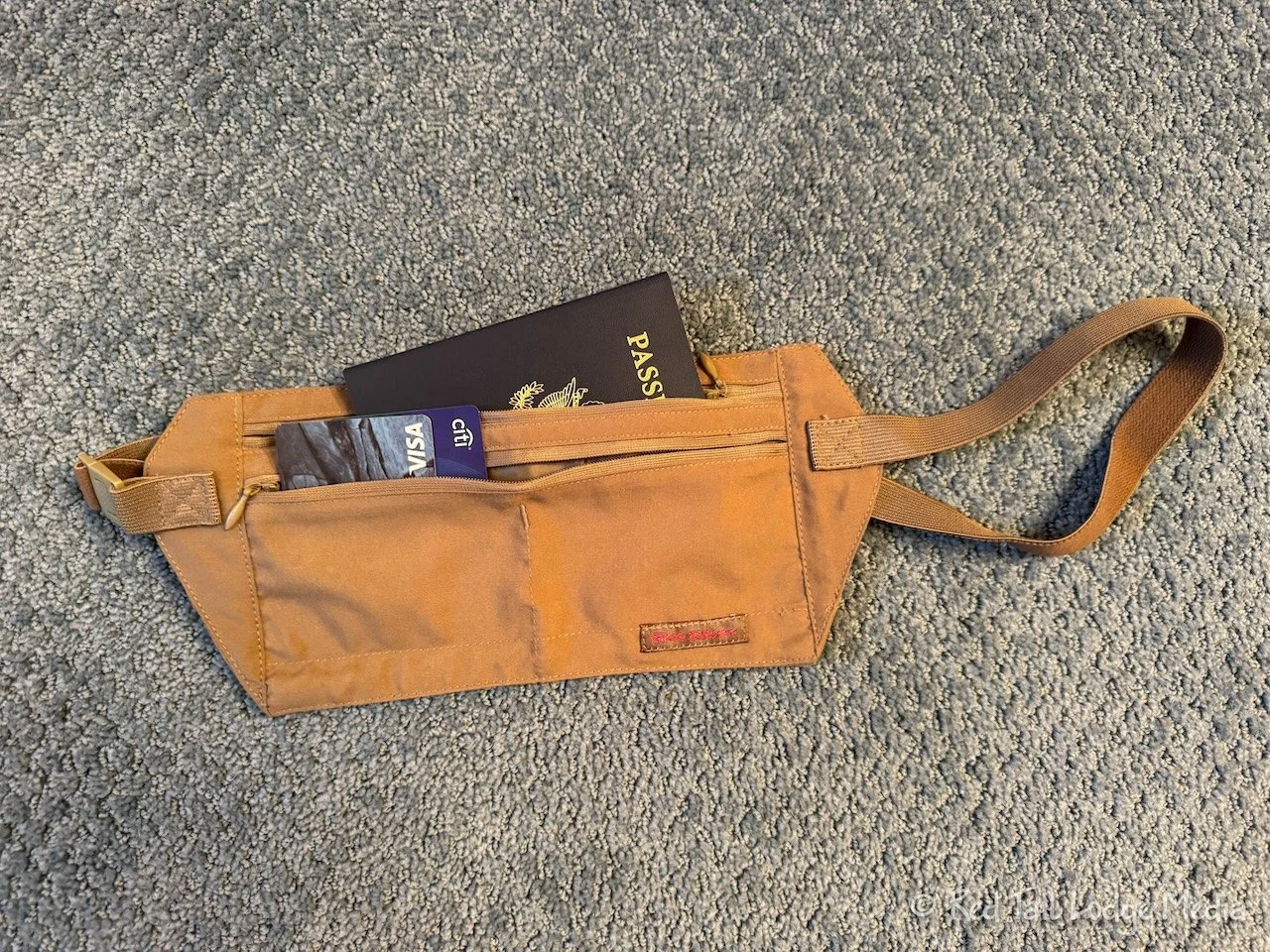
Our trip to Europe involved three different foreign currencies: euros for most of it, Swiss francs for Switzerland, and British pounds for England, Scotland, and Wales.
We did not exchange any money ahead of time. Instead, we went to ATM’s to withdraw cash as we needed it. Our normal ATM card worked just fine in Europe, but you may want to double check that yours will work. We actually had two different ATM cards with us. The backup ATM card actually came in handy. Our lodging in Vernazza Italy required us to pay in cash (look for future blog post on Cinque Terre). We ran into ATM withdrawal limits, so we used the backup ATM card (for a different bank account) to be able to withdraw more.

We always used ATM’s at banks as we heard that the exchange rates are usually better at banks instead of independent ATM’s. Bank ATM’s also felt a little safer, perhaps less likely to have skimmers on them. Which brings up another reason to have a backup ATM card. If your main ATM card is compromised and you have to disable it, you have another card while you try to replace the first one.
Exchanging money not only applied to cash, but also to credit card transactions. Check that your credit card does not charge foreign transaction fees. As we were planning our trip, we discovered that all of our then current credit cards charged foreign transaction fees. So we opened up another credit card that did not charge them. We used that credit card for almost all of our European transactions, both when we were booking reservations from the States and when making purchases while in Europe. There were a couple of occasions when we had to switch to a backup credit card, like when the card started denying charges because it suspected fraud.
That brings up another point. Some credit cards allow you to notify them of your travel plans, so they don’t incorrectly flag transactions as fraudulent. Others just figure it out by your patterns of transactions. One of our cards wouldn’t let us specify a trip that was six months or longer, so we had to log in and update the travel plan notifications while we were on the trip.
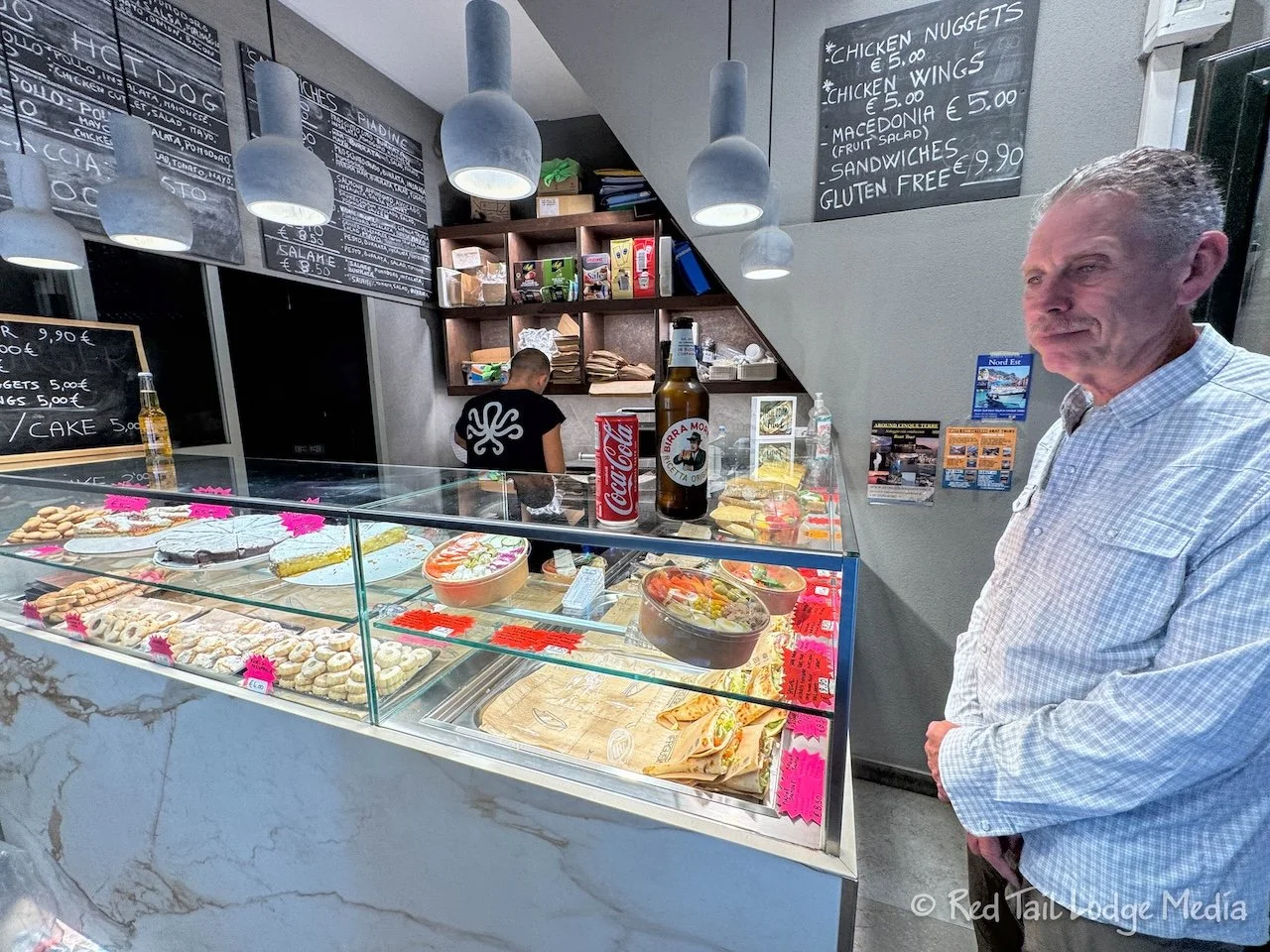
When you are making credit card transactions, make sure they are in the local currency and not in US dollars. The credit card company will generally give you a better exchange rate than what the point of sale company will. For example, when we were in Vernazza Italy, we bought drinks at the same convenience store several times. The first time, they didn’t ask us and automatically charged us in dollars. The next time, we made sure to tell them to charge us in euros. What should have been 6 euros in both cases turned out to be $7.24 the first time and $7.02 the second time, an exchange rate of about $1.21 per euro vs. $1.17 per euro. The $1.17 per euro rate was also what we were getting at the ATM for cash. The difference in this case was not a lot, especially for such a small purchase, but it can add up over time and be more significant for larger purchases. Also keep in mind that the exchange rate is constantly changing over time.
Before you leave on your trip, check the expiration dates on your ATM and credit cards. One of ours was due to expire while we were on the trip. Before our trip, we were able to call them and have them renew it early, sending us a new card with an updated expiration date. Be sure to allow enough time for that to be processed and arrive before you leave.
Call us old-fashioned, but before we left for Europe, we never really used “tap-to-pay” with our phones. However, we developed that habit while in Europe. It was so much easier to have our credit cards in our Apple Wallet and just use our phones to pay, leaving our physical credit cards safely tucked away. It was just a double-click on the side button of our phones, let it see our faces, then hold our phones up to the reader. We’ve continued using “tap-to-pay” since we’ve returned to the States.
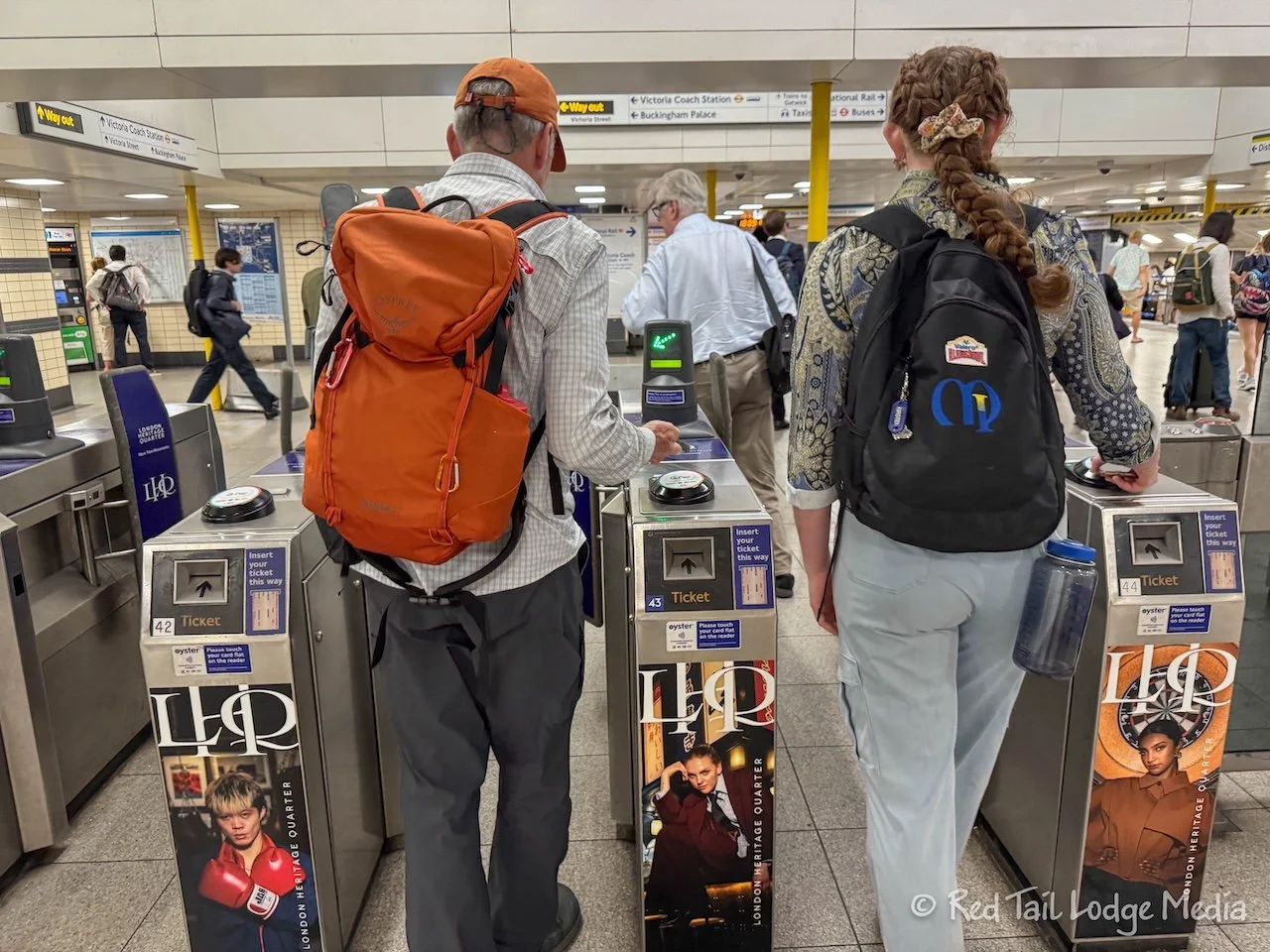
For the London subway (London, England - June 24th to 28th, 2025), it was even easier. After turning on “Express Transit Card” in Apple Wallet, we could automatically pay for the ride as we walked through the turnstile. We didn’t even have to pull our phones out.
Tip Three: Phone Plans
US cell phone plans don’t work in Europe by default. We wanted to be able to make and receive phone calls, send and receive text messages, and be able to upload and download data to and from the internet. In addition, we use our phones to navigate using Google Maps and other phone apps. However, most of the time we can download Google Maps and AllTrails trails ahead of time and don’t need a cell or internet connection while we’re navigating. That being said, it is nice to be able to search for something while we’re on the move. Many hotels and other lodging options have wifi that you can use, but they are typically slow connections.
There are a plethora of eSim plans out there that you can purchase with different options for phone calls, text messaging, and data. Our phones are on an AT&T plan in the States and they offer an International Day Pass which allowed us to use our existing unlimited data plans (with 60 GB of hotspot) in Europe for an additional charge, allowing us to use our normal phone numbers. The extra charges were $12 per day for the first phone for the first 10 days of usage within a monthly billing period (free after that) and $6 per day for the second phone for the first 10 days of usage. So it probably wasn’t the cheapest option out there, but it was the most convenient. All we had to do was activate the International Day Pass add-on in our AT&T account before we left the States and everything was automatic after that.
Unfortunately, our monthly billing period didn’t line up with our trip, so, even though we were gone less than seven months, our International Day Pass charges crossed into eight billing cycles, and we hit the ten days in each of those eight billing cycles for both of our phones. So our charges added up to 8 x 10 x ($12 + $6) or $1,440 for our whole trip.
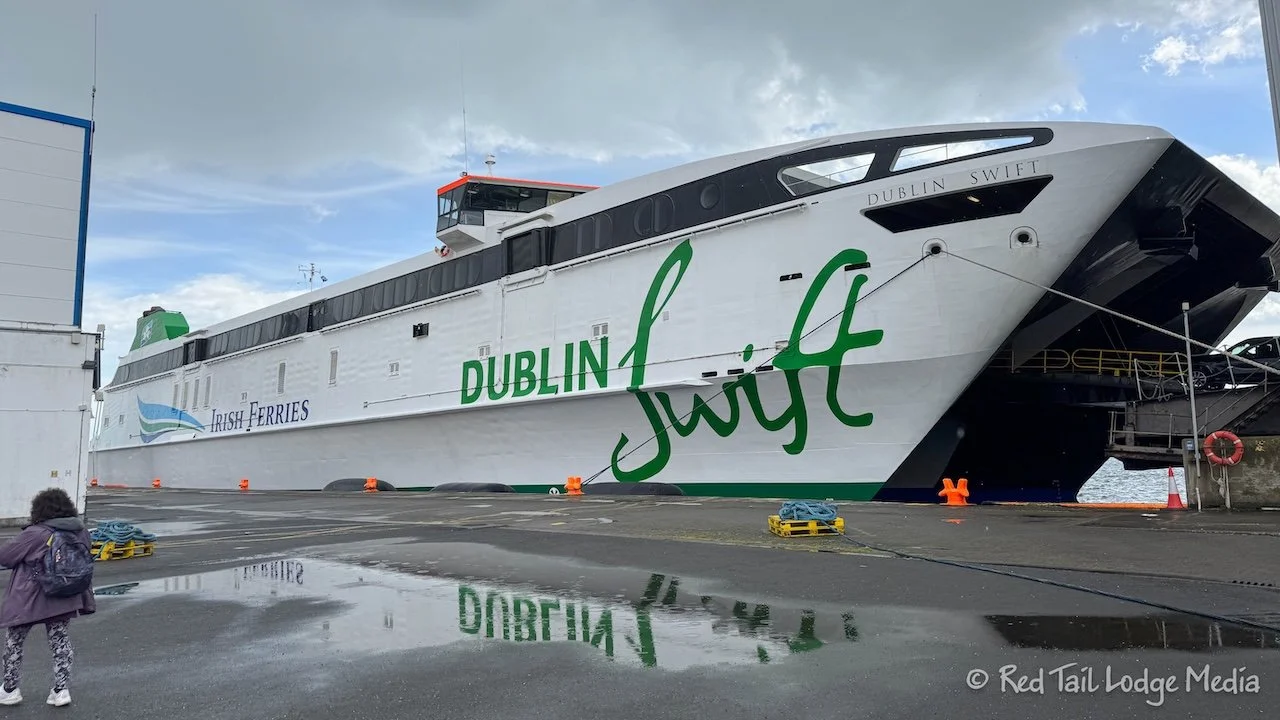
What caught us off guard was the extra “at sea” charges. We didn’t have our phones on during our transatlantic cruise, but we didn’t think about the ferry from Wales to Dublin. We were hit with an additional $20 per phone, on the way to Dublin and again on the way back from Dublin, for a total of $80, which did not count towards our ten day limit. We made sure to turn our phones off during our train ride from London to Amsterdam, just to make sure we didn’t get hit with another $40 charge while our train was in the Chunnel.
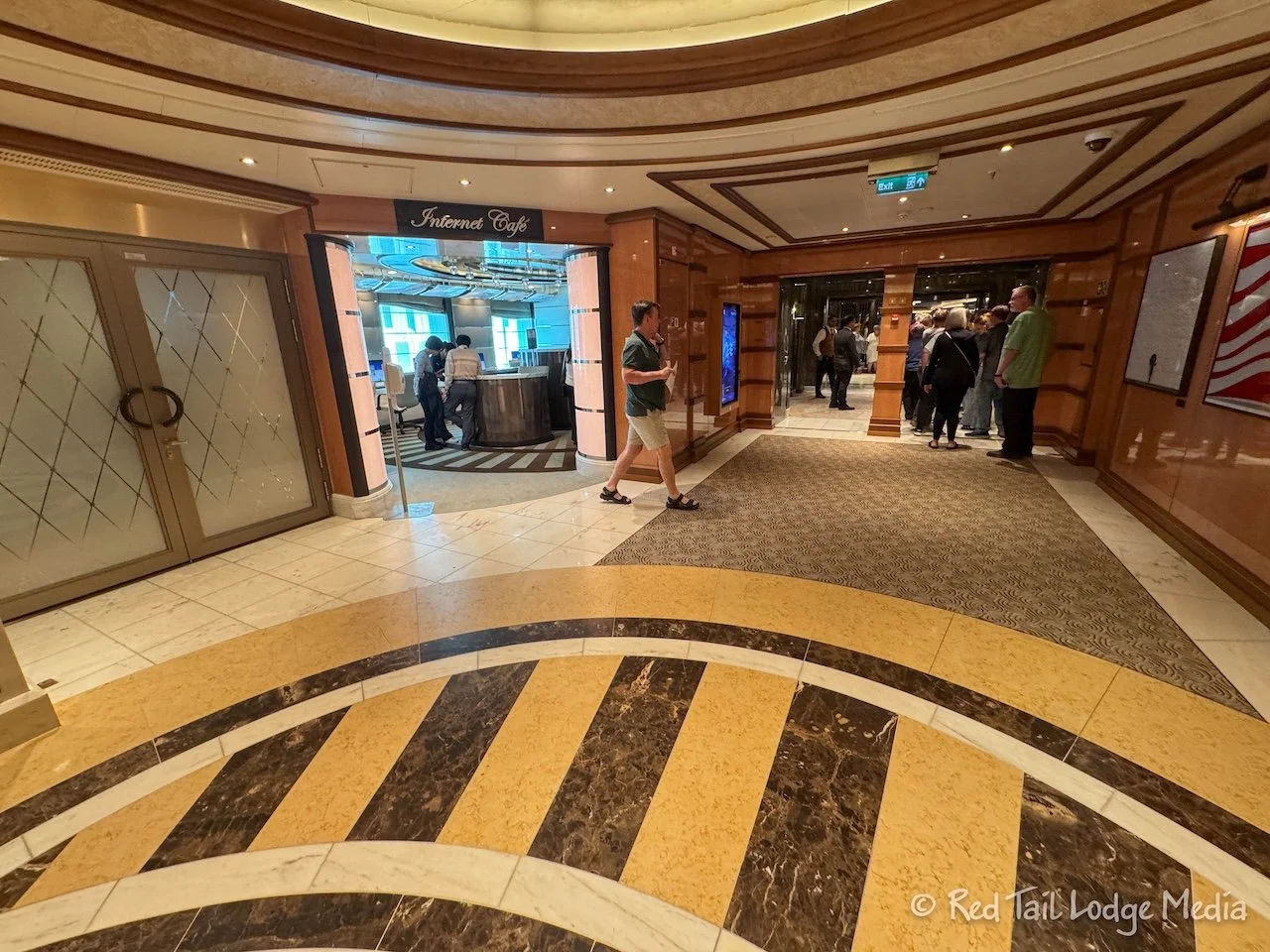
While we were on our 15 day transatlantic cruise with Princess, we lived without internet the whole time except for one day (link to part 1). For that one day, we paid for the on board internet access through Princess, which was $29.99 for one device being connected at a time. We were able to connect each of our devices, one at a time, throughout the day so we could download emails and refresh Ann’s Adobe Lightroom and Final Cut Pro software licenses.
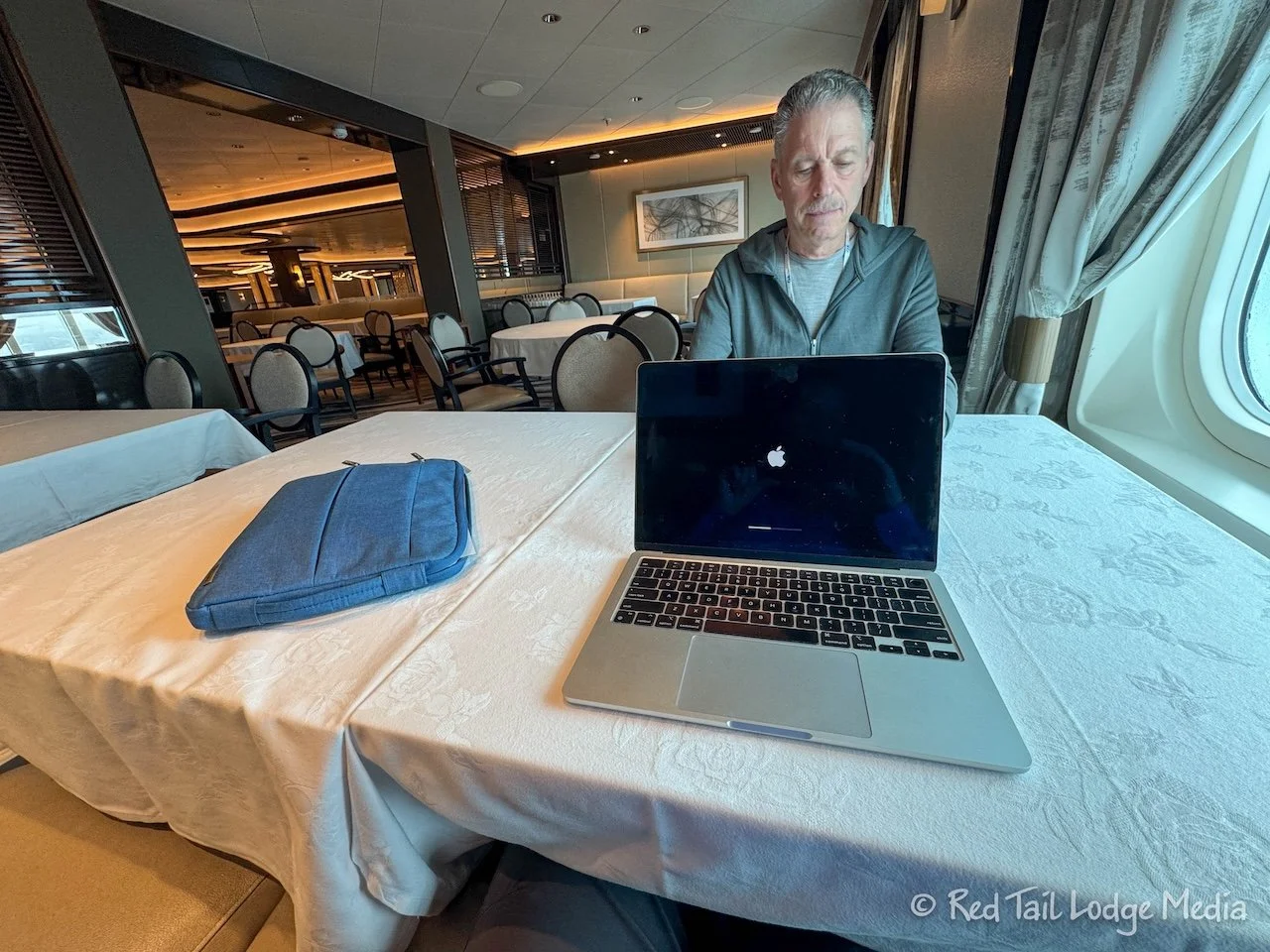
But the main reason for the internet connection was that there was a PDF document that Ann needed to sign. Ann was able to Air Drop the document over to Keith’s iPad, sign it in blue ink using the iPad pencil, Air Drop it back to Ann’s laptop and send it out in an email.
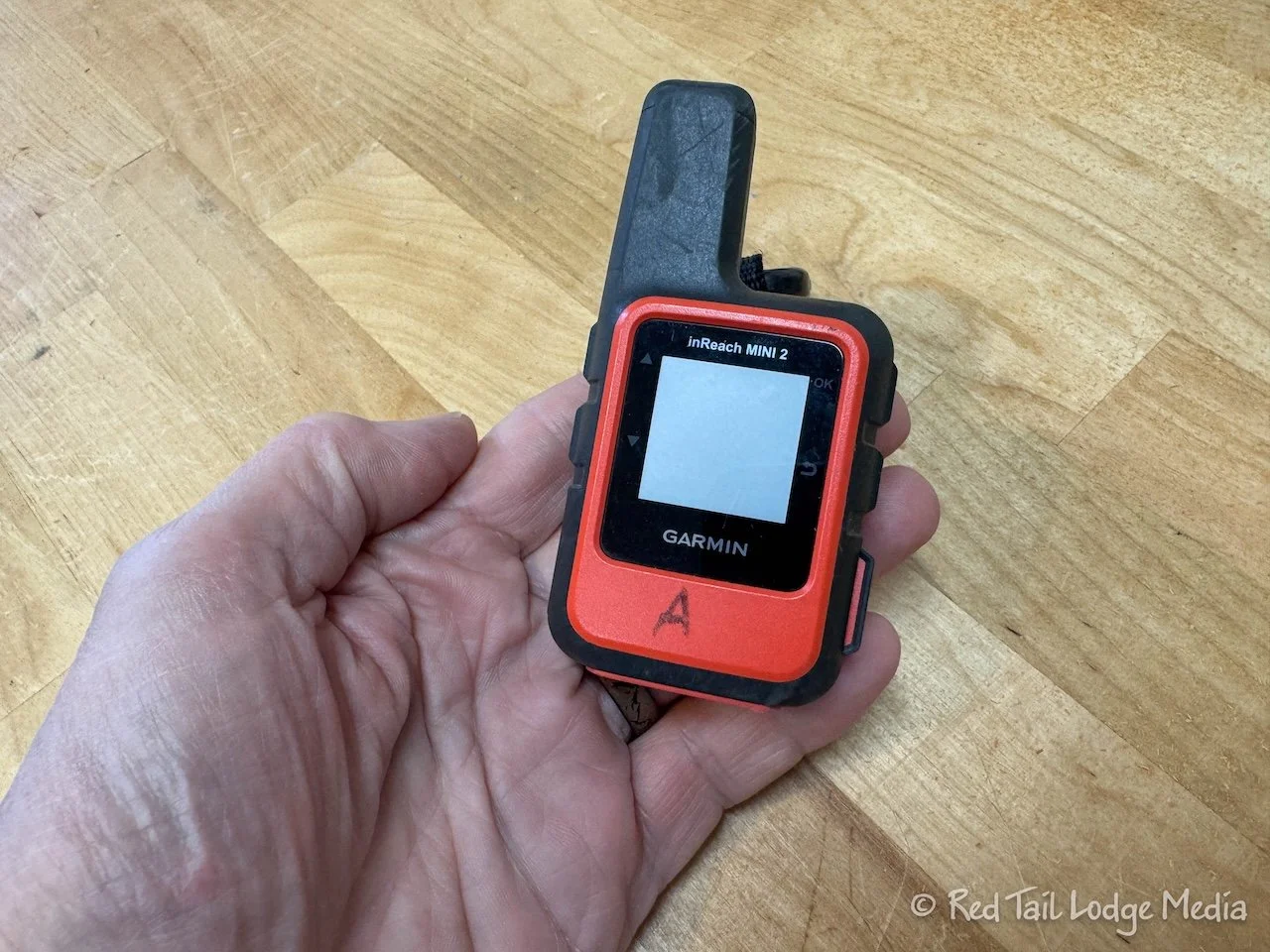
Even though we didn’t have cell service or an internet connection most of the time while on our cruise, we could communicate with friends and family via text messages through our Garmin InReach devices. That is how we knew there was a PDF document that Ann needed to sign.
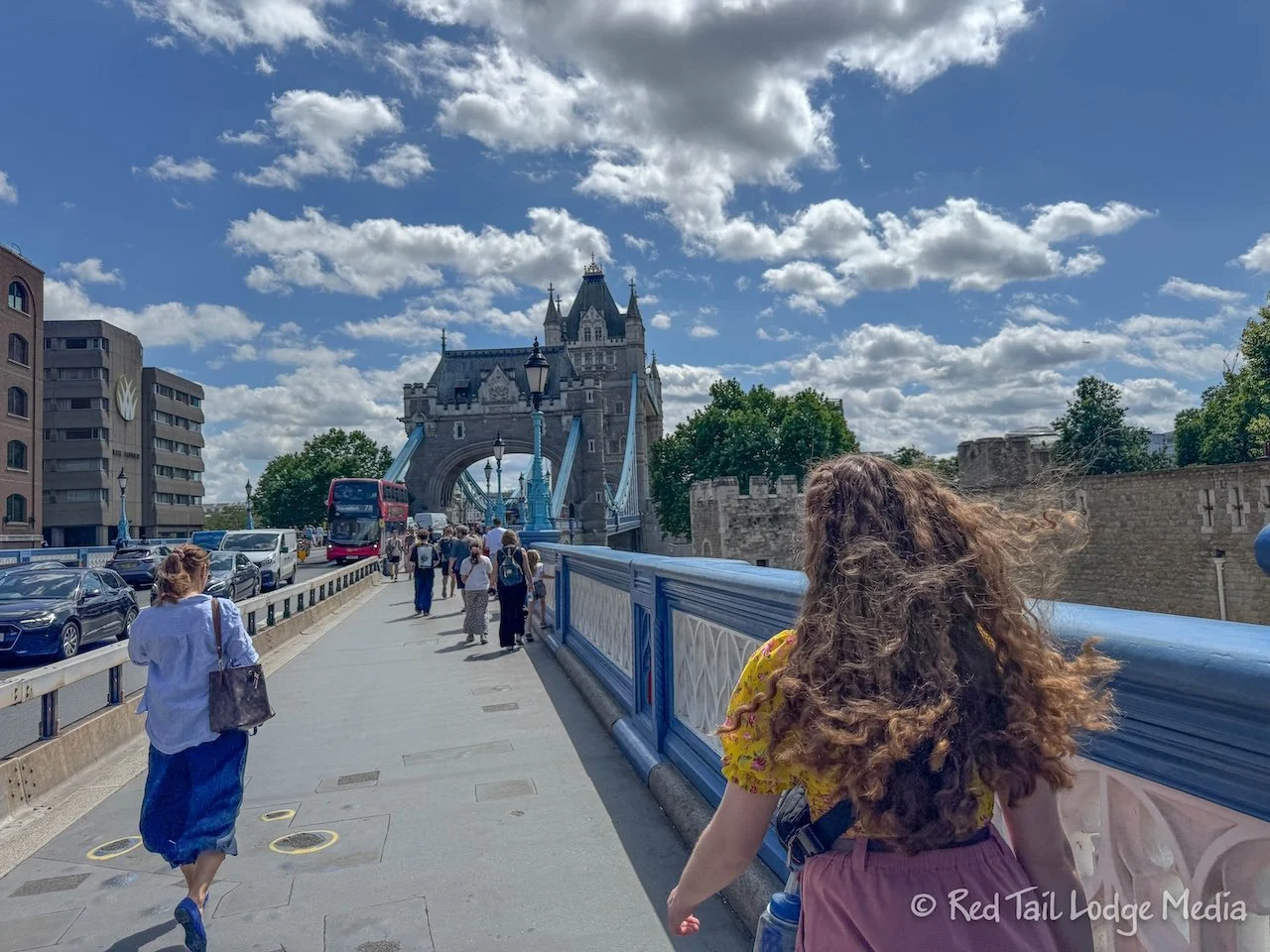
Our daughter’s phone is on our same phone plan, so when she came over to London to join us for a week, we had her do the same as us by turning on the International Day Pass. We were surprised that she was charged $12 per day instead of $6, but we didn’t bother contacting AT&T to understand why. It might have been that she stayed in London a few days longer than us while we continued on to Amsterdam, in a different country.

When our son came over to Munich to join us for eight days, he went the eSim route, a much cheaper option. He bought an eSim from Orange Travel for $25.85. The plan he chose gave him 14 days with 20GB of data, phone calls, and text messaging. However, it did use a different phone number. So he had to let us know what the new number was so we could contact him. He bought the eSim before leaving the States and activated it after arriving in Europe. Our son didn’t need a lot of data while he was in Munich, so 20GB was plenty. We have heard that there are eSim plans that allow you to keep your U.S. number, but we’ll leave that up to you to research.
Tip Four: Lodging Options
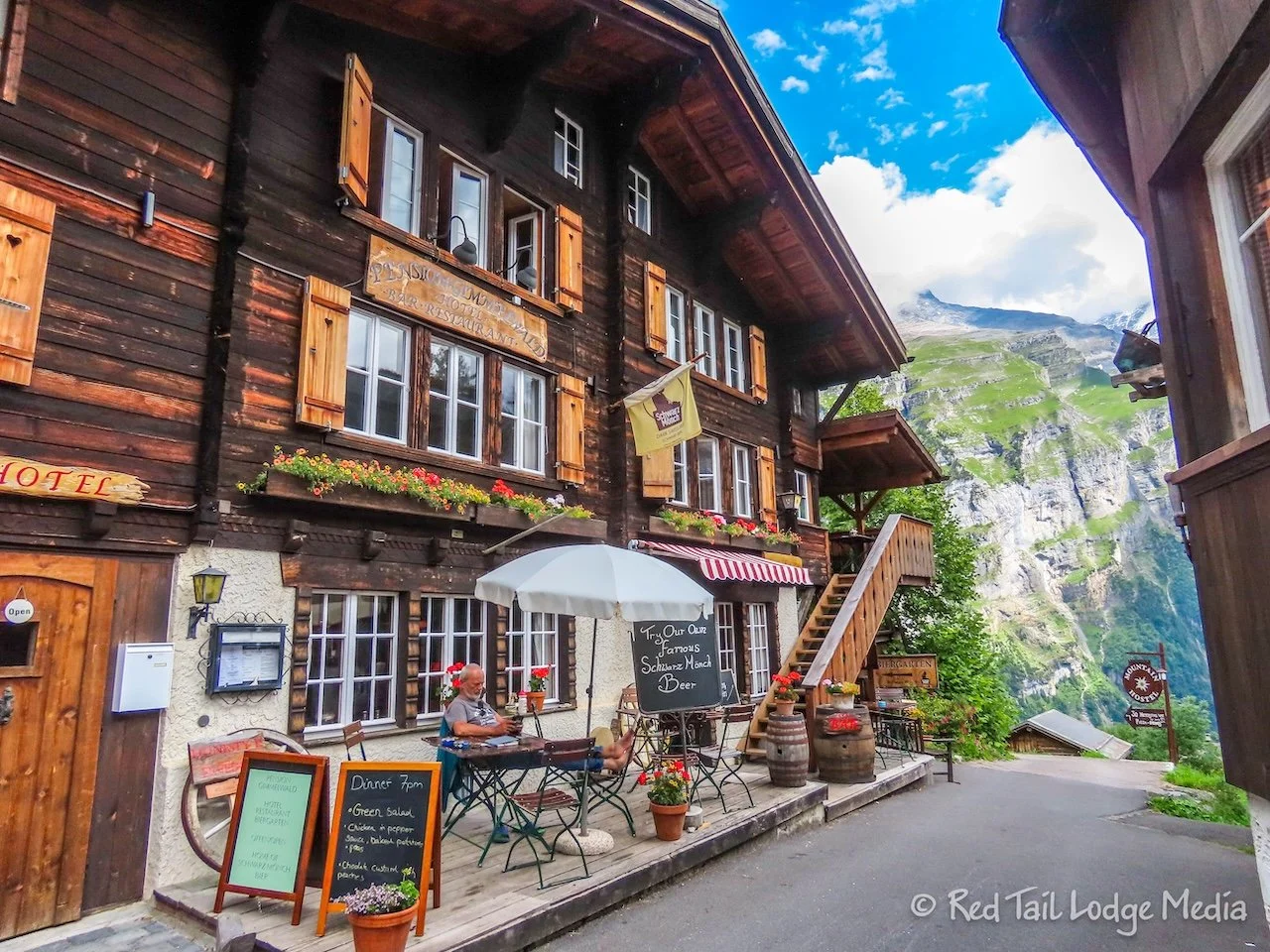
We tried to stay away from chain hotels in an effort to experience the local culture. We reserved all of our lodging ahead of time, which sometimes had its challenges with local, family-run bed and breakfast places. There were a couple of times that we had to make an international bank transfer to pay a deposit. However, we felt the experiences we had were worth the extra trouble.
There are lots of lodging options out there, some cheaper than others, but we were not necessarily looking for the least expensive option. If you are on a tight budget, do your research and be creative. You may be surprised at the possibilities. Although we didn’t stay in a hostel this trip, there are hostels all over Europe, with many of them open to not just youth, but older people as well. And some of them even have private rooms, for an extra cost. In addition to hostels, budget conscious travelers might want to consider camping. We’ve heard that many campgrounds around Europe have kitchen facilities for the campers to use.
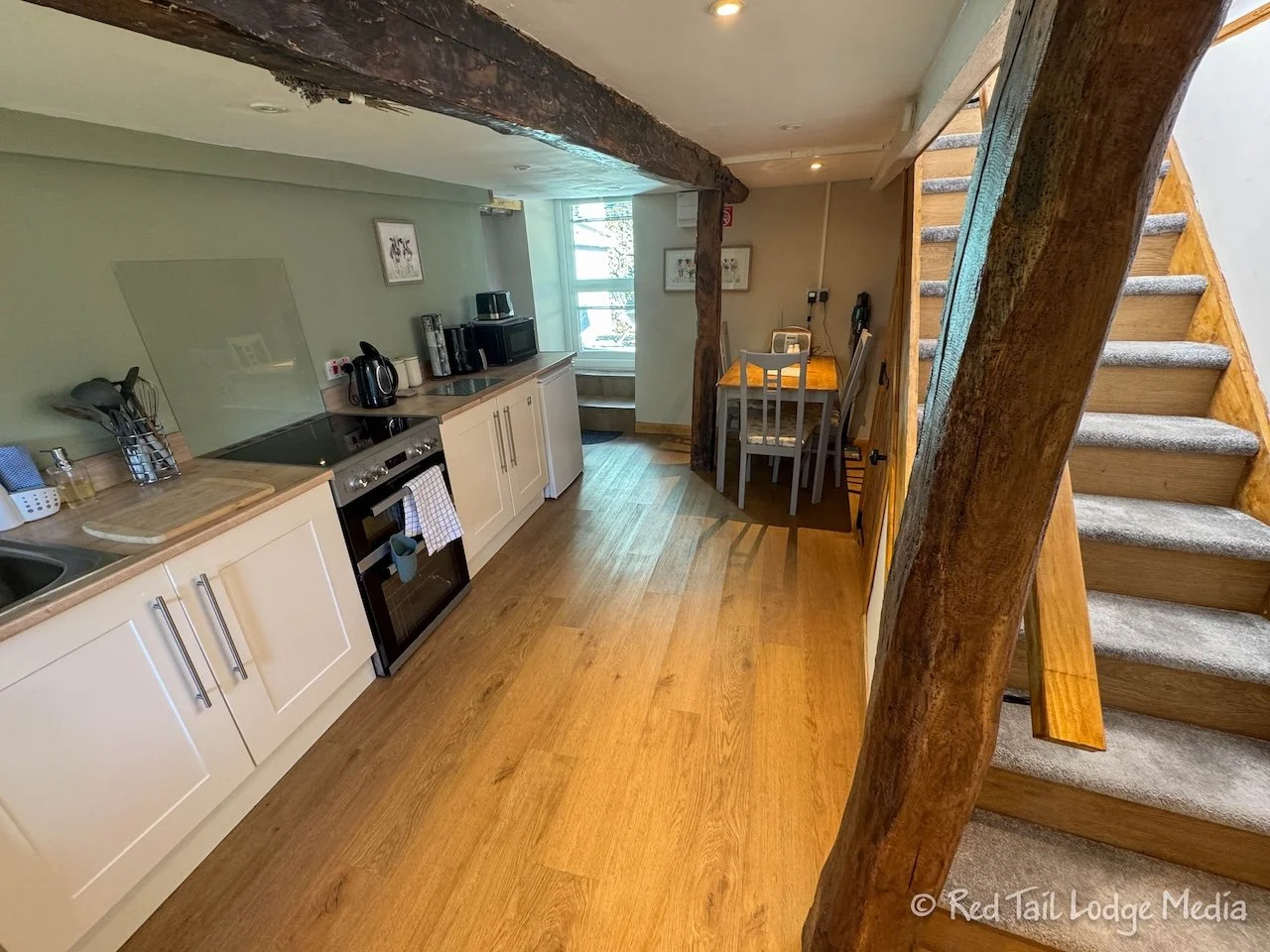
Having lodging with kitchens or kitchenettes allows you to cook your own meals, saving money on food. Shopping at local grocery stores is also an excellent way to experience the local culture. We had kitchens at a couple of places that we stayed and we visited some grocery stores, but we didn’t do any real cooking to speak of.
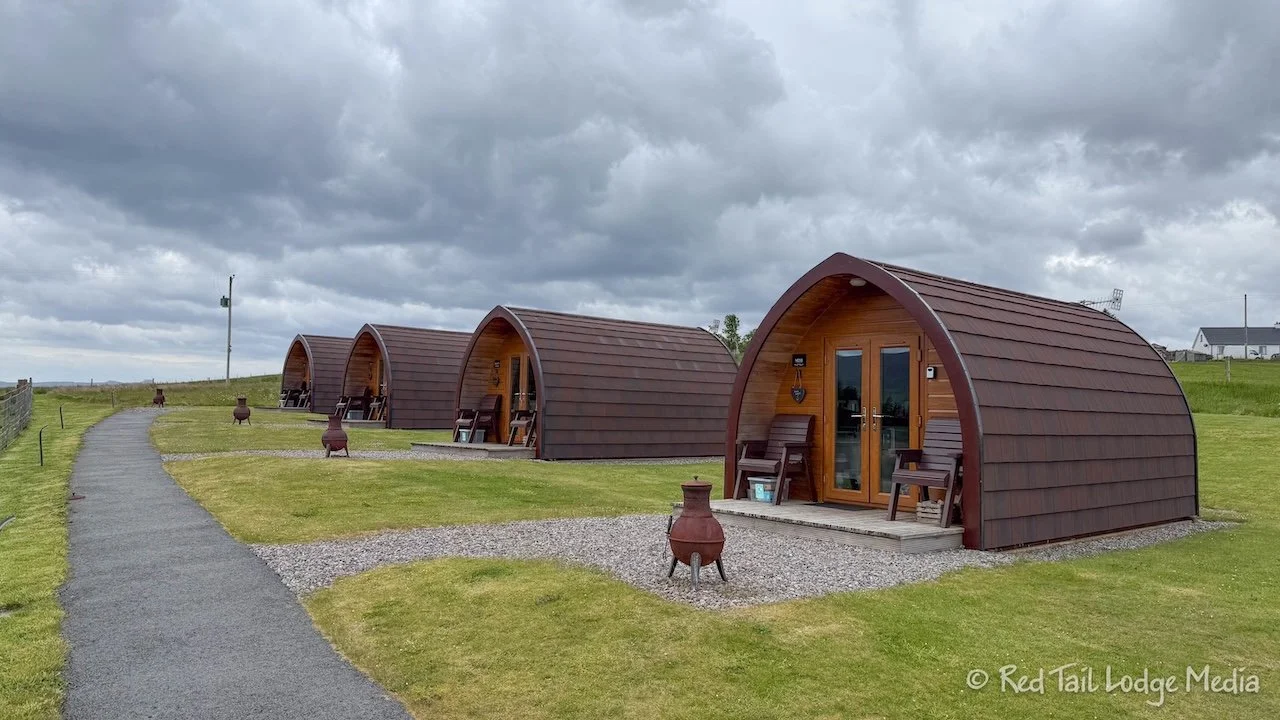
We used AirBnB a couple of times, to book a cottage on a sheep farm in the Lake District of England (Lake District National Park, England - May 22nd to 25th, 2025) and to book a house boat in Amsterdam in the Netherlands (Amsterdam, Netherlands - June 29th to July 3rd, 2025). On the Isle of Skye in Scotland, we stayed in a “Pod”, which was like a glamping cabin (Isle of Skye, Scotland - June 2nd to 5th, 2025). Along the Tour du Mont Blanc (a long distance hiking trail in the Alps), we stayed in a variety of mountain huts, in large dormitory rooms, small shared rooms, and private rooms with bathrooms down the hall and ones with ensuite bathrooms. We also slept on board a narrow boat as part of a canal cruise in England (Canal Cruise on Takara Narrow Boat in England: Part 1 of 2 - April 2nd to 5th, 2025). Embrace the experience and go outside your comfort zone. That being said, we would be happy to never sleep in a large dormitory again.
Tip Five: Cruises and Packaged Tours
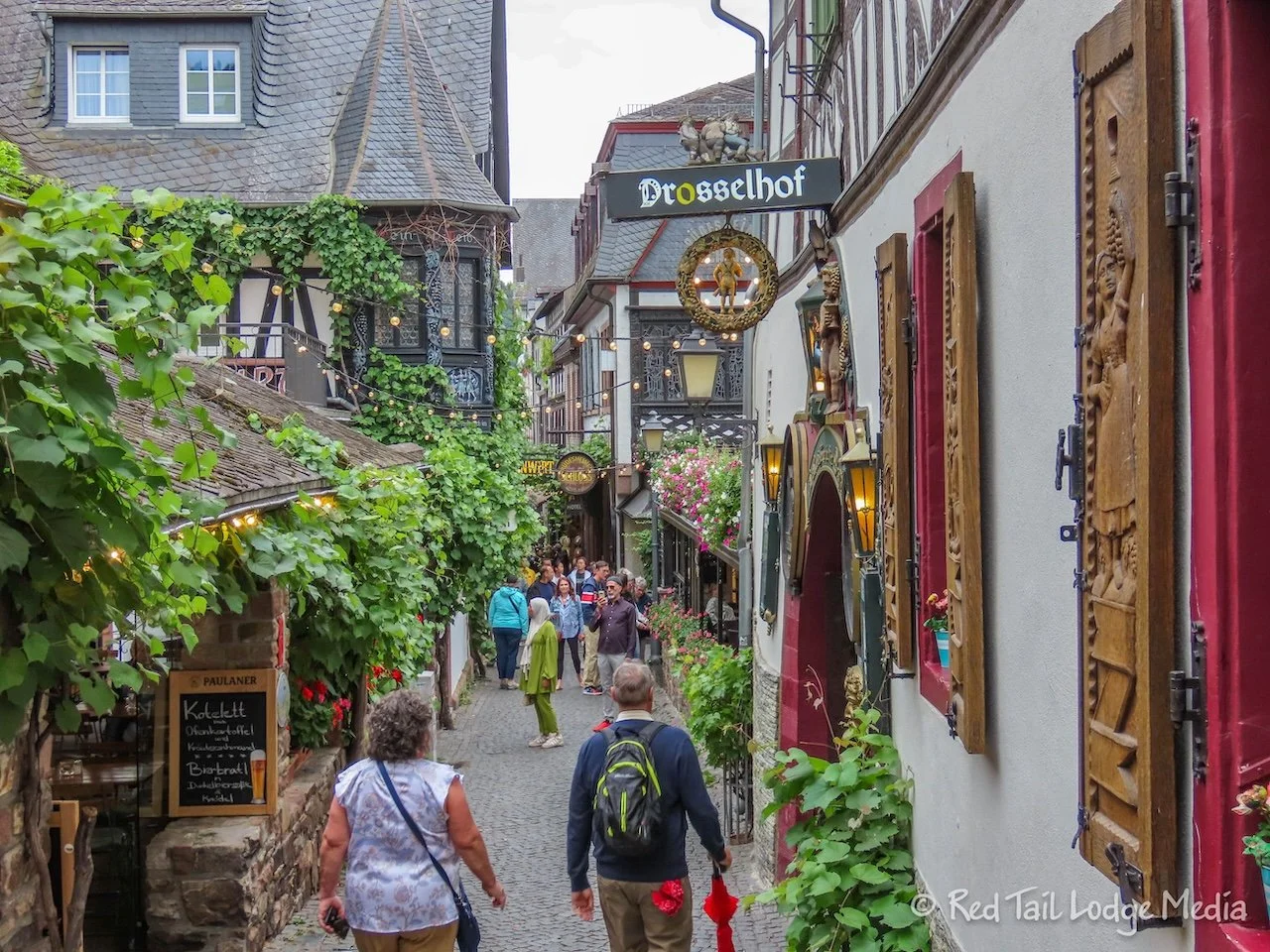
The logistics of a long European trip, almost seven months, can be overwhelming at times. Before the trip started, research and bookings for where to stay, how to get there, and what attractions we needed reservations for. Then, while we were traveling, there was research and decisions about what to see and do that day, where do we eat, and how do we get to our next destination. Decision fatigue is a real thing.

We normally like to plan our own trips and rarely book packaged tours or cruises, but the cruises and tours we went on during our Europe trip were a welcomed change of pace. During those stretches of our trip, our lodging arrangements were handled for us along with our transportation, including routes and itineraries. For the cruises, most of our meals were prepared for us, so there was no deciding which restaurant to go to. And we didn’t have to research the ports of call, as the cruise staff briefed us the day before. It was nice to be led around, with almost everything taken care of for us for a change.
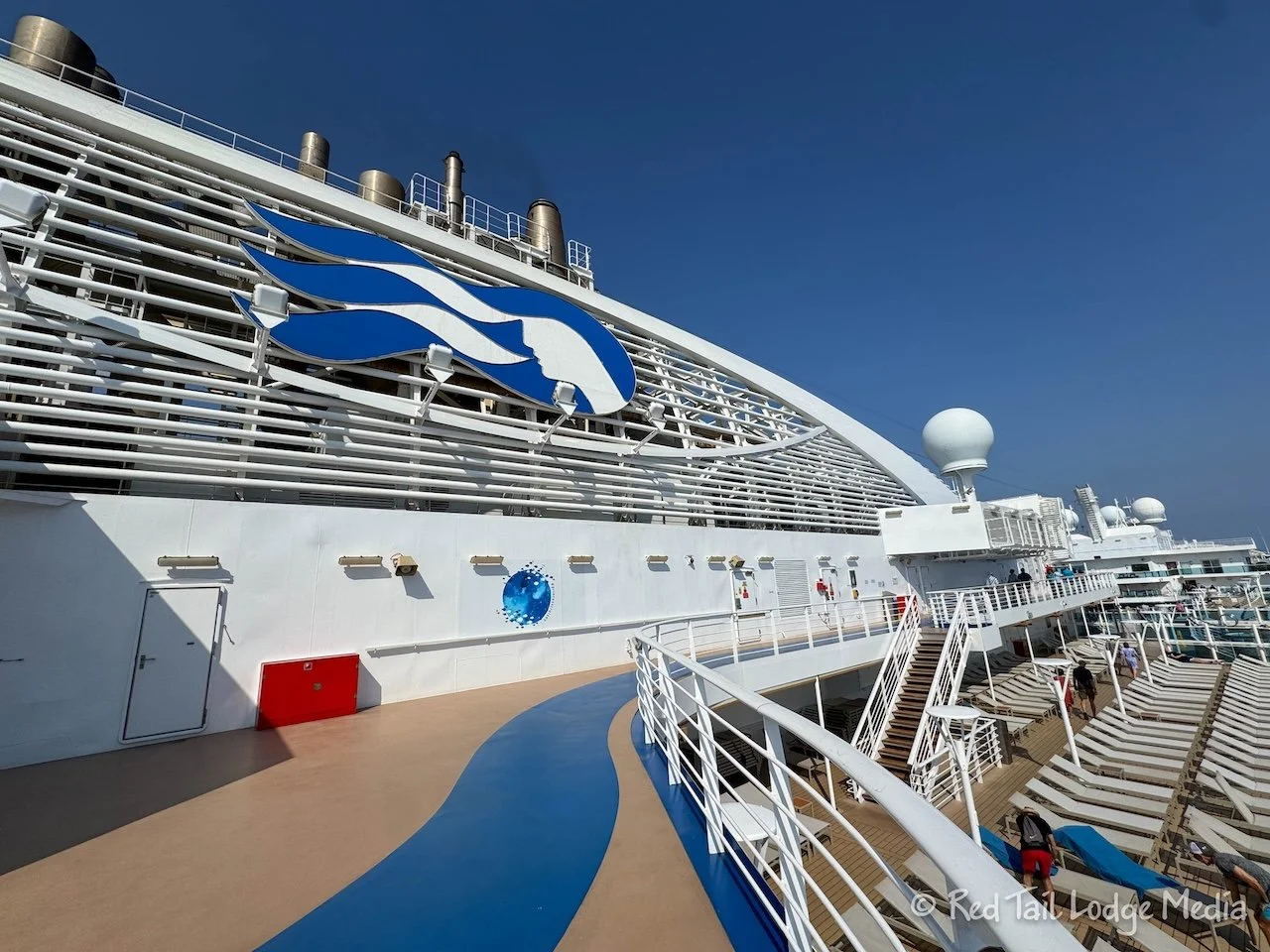
We went on three cruises. The first was the 15 day transatlantic cruise from Ft. Lauderdale, Florida to Southampton, England with Princess Cruises (Transatlantic Cruise: Part 2 of 2 - March 16th to 24th, 2025). The days at sea were relaxing. We could decide to participate in the variety of activities scheduled on board, or do nothing. We usually made sure we attended the main entertainment every evening, as it was top notch. A transatlantic cruise was a great way to avoid a long overnight flight to Europe, without being cramped in a seat for long hours, with better food, and no jet lag.
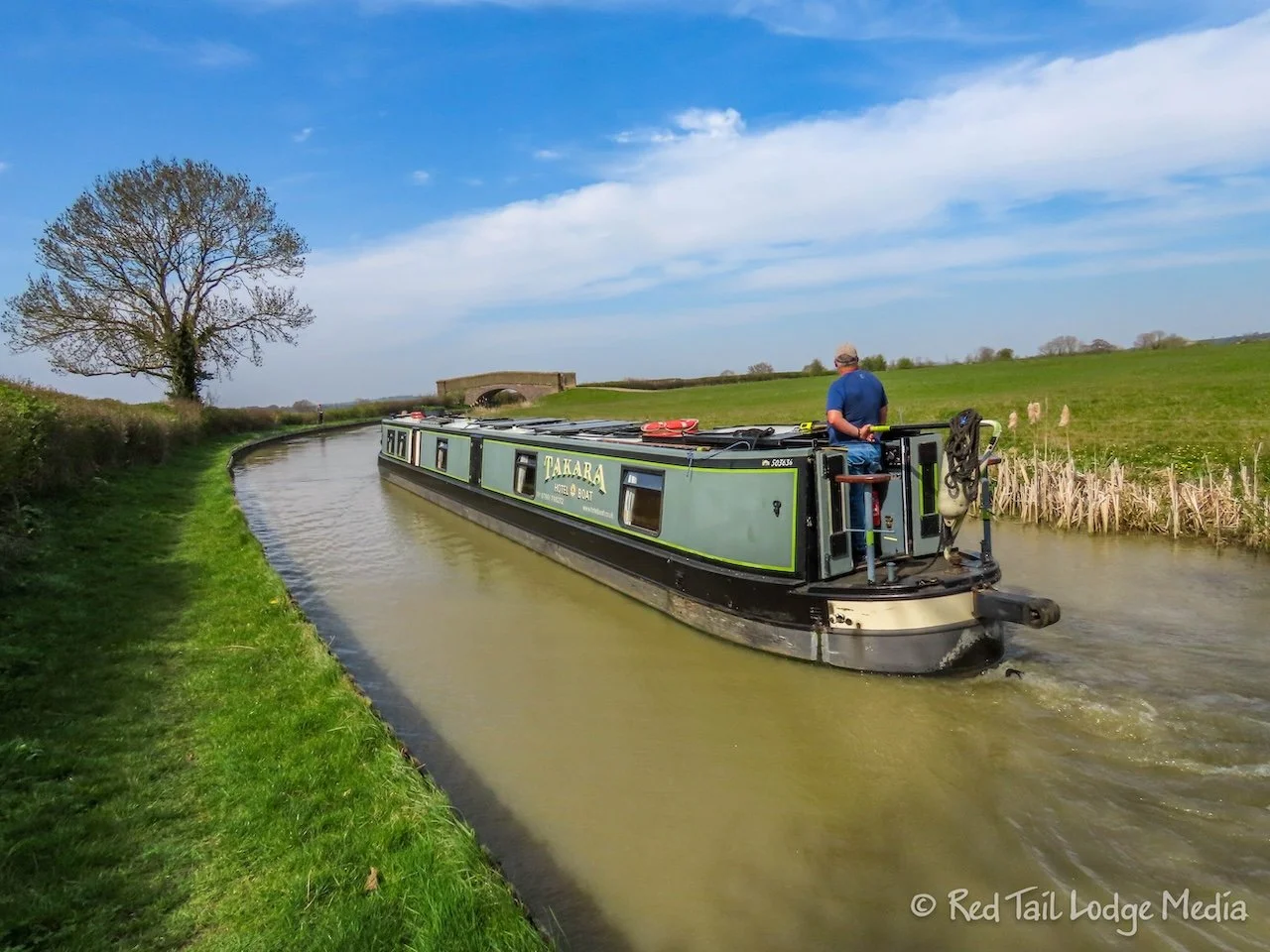
The second cruise was seven days on board the Takara Hotel Boat, a canal narrow boat, from Banbury to Hinkley in England (Canal Cruise on Takara Narrow Boat in England: Part 1 of 2 - April 2nd to 5th, 2025). This was the most relaxing of the three. Apart from eating the wonderful food prepared for us, getting to know the other two passengers and the two owners, and going for daily walks along the tow path of the canal, we did nothing. It was a great way to recharge.
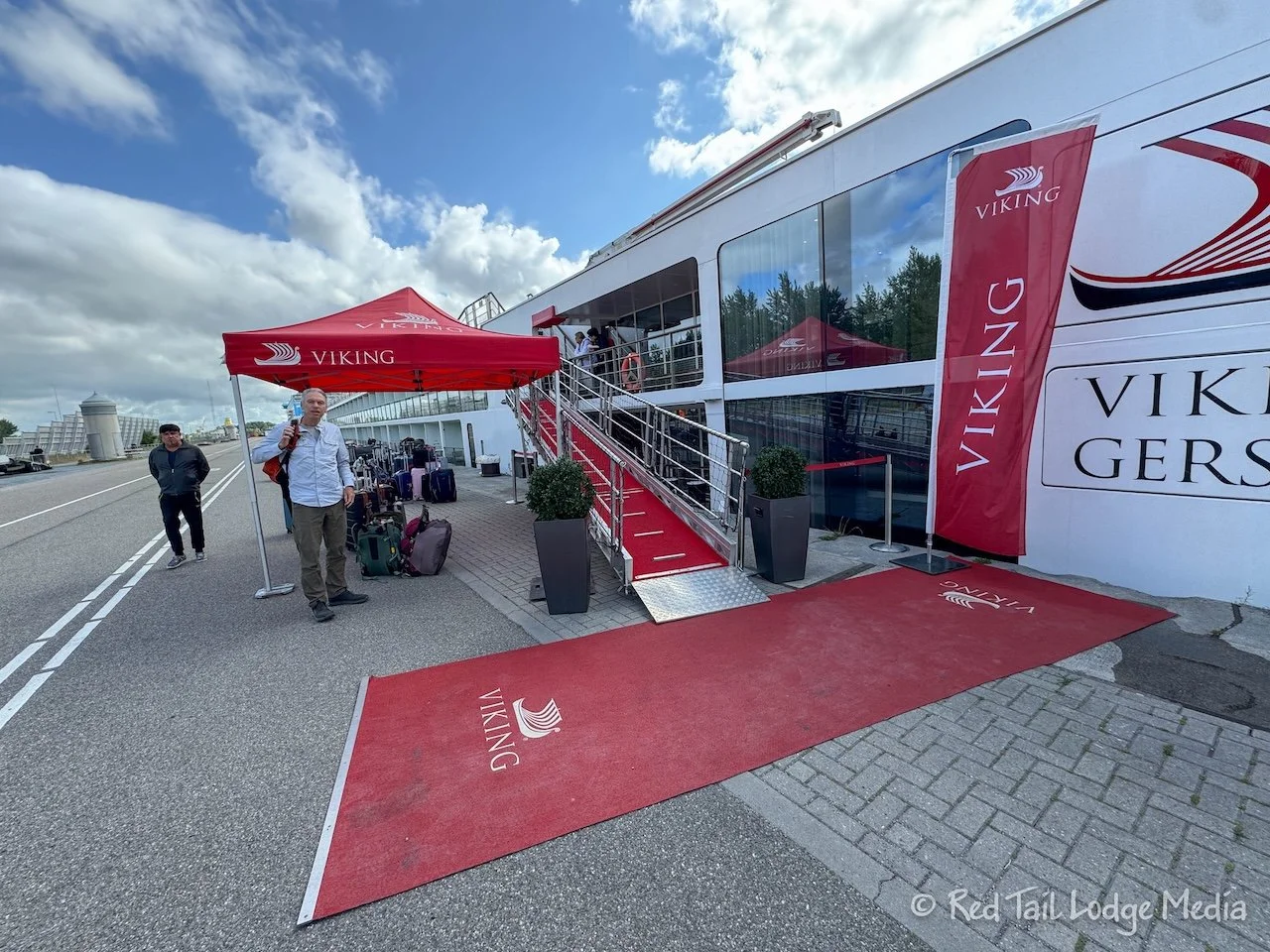
The third cruise was the seven day Rhine Getaway cruise with Viking Cruises, from Amsterdam in the Netherlands to Basel in Switzerland (Rhine Cruise Day 2: Kinderdijk, Netherlands - July 4th, 2025). There was an included excursion at every port of call. The ship was small enough that we got to know other passengers. We saw and learned a lot from the guided tours.
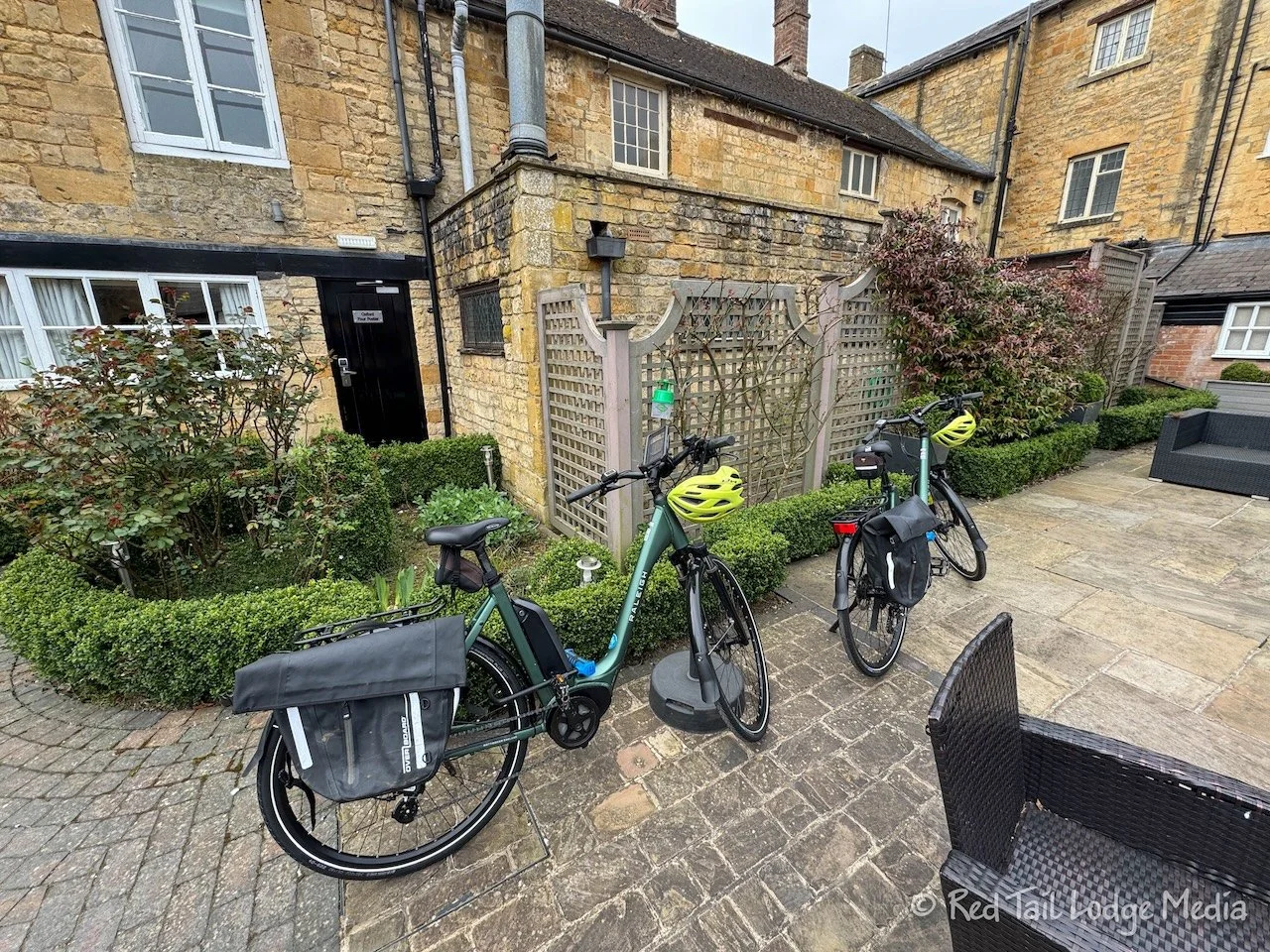
We booked two other packaged tours. One was a hike and bike tour from Cotswolds Walks in England (Moreton-in-Marsh, England - April 9th, and 14th, 2025). Although we were on our own and not with a group, all of our lodging was arranged for us along with our bike rentals. They also provided paper and electronic versions of the hiking and biking routes for each day along with what to stop and see along the way. Transportation of our luggage from one hotel to the next was also included.
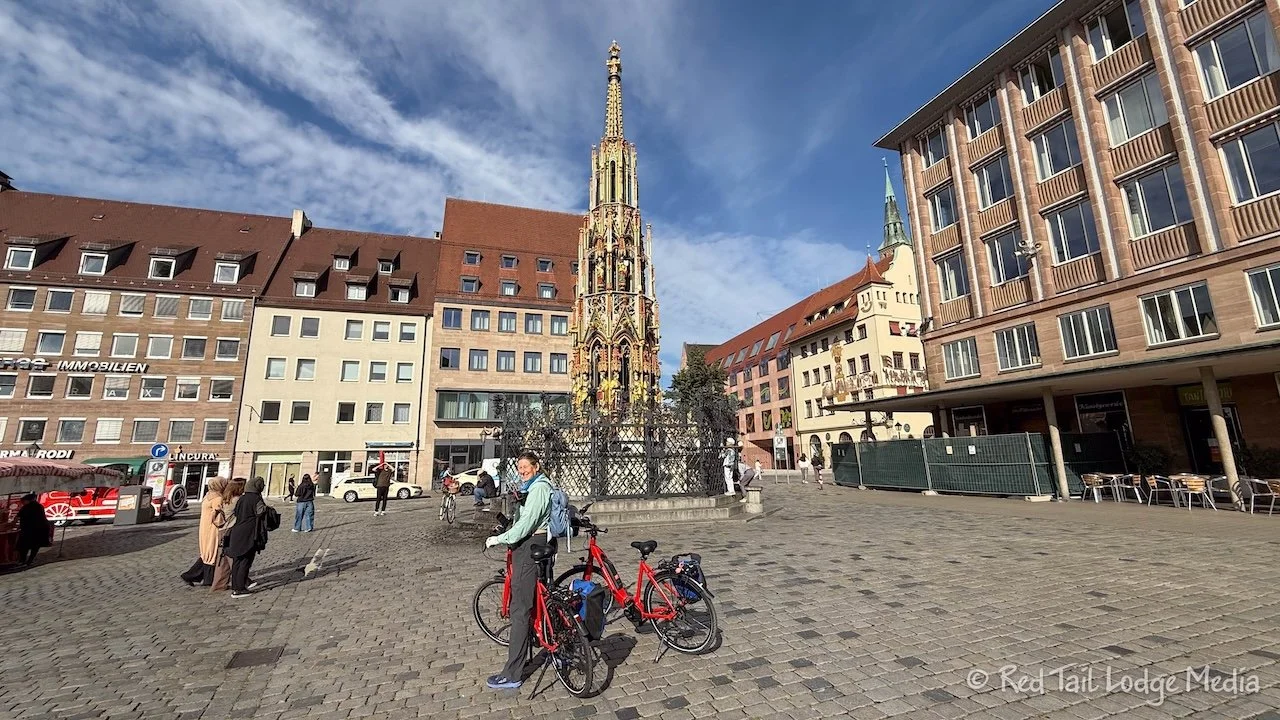
The second tour was Bavarian Beer Tour, an eight day bike tour through Radweg Reisen, which started and ended in Nuremberg, Germany (look for future post about Nuremberg). Again, lodging, bike rentals, luggage transfers, and bike routes were arranged and provided for us. Also included was the Night Watchman guided tour of Rothenburg ob der Tauber, a very worthwhile experience.
Tip Six: Packing
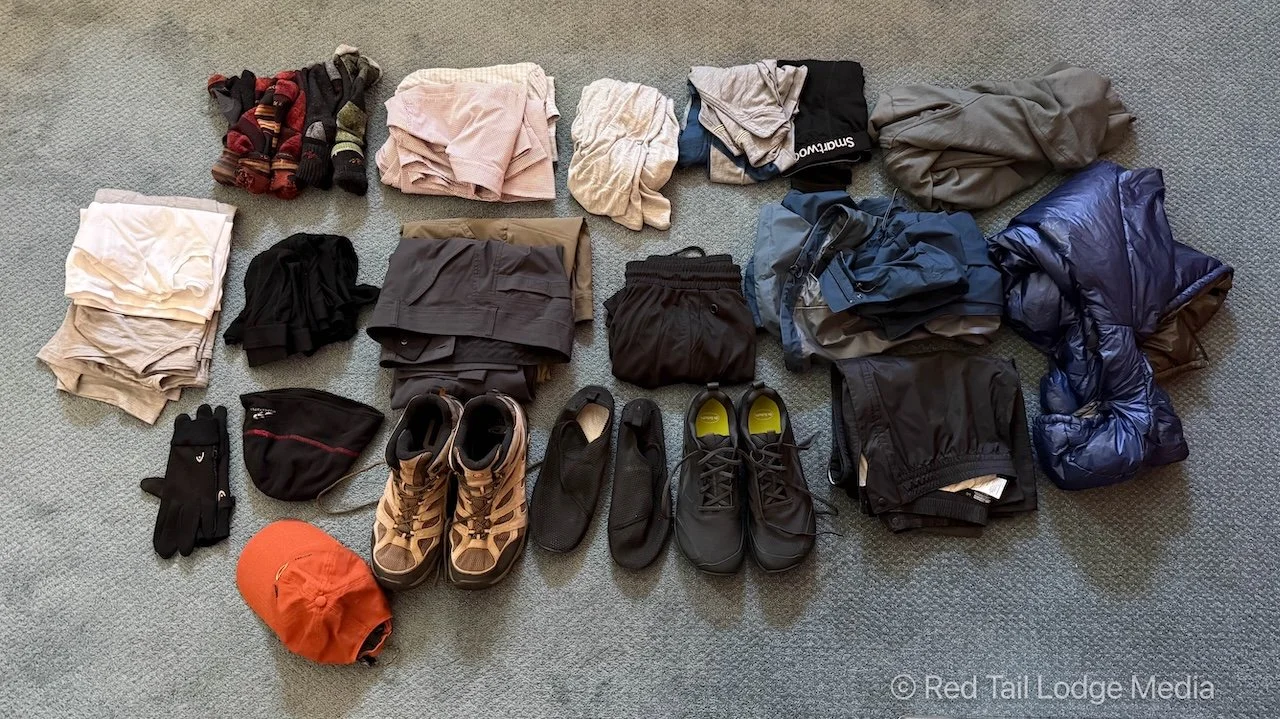
The advice you’ve probably heard before from others is to pack light. It is our advice as well. Yes, we were gone for almost seven months. Yes, we needed to be prepared for the cold, the hot, and the wet. But in Europe, you will probably be carrying your luggage around a lot. Up and down stairs, as many hotels do not have elevators, to and from train stations and boat ports, on and off trains and boats, and up and down cobbled streets in the old parts of towns. You will be thankful for every gram or ounce you can eliminate from your luggage.

Despite how long our trip was, we did not go to laundromats. Instead, we washed a set of clothes almost every night. Yes, that got old after a while, but spending 10 to 15 minutes every evening was probably easier than finding a laundromat every week or so and spending hours there. Plus, that also meant we would need far fewer clothes.
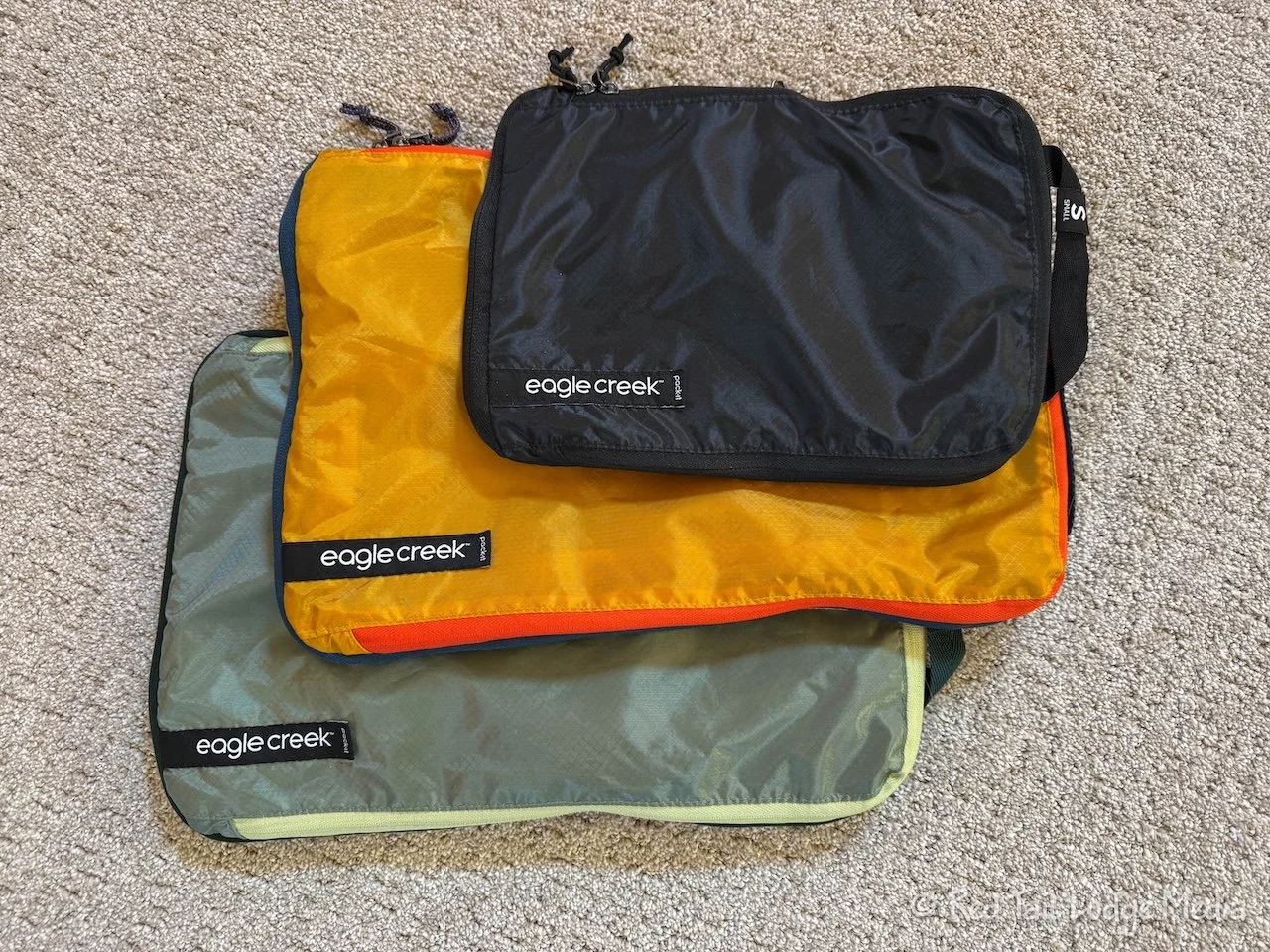
Another piece of packing advice is to keep your luggage organized. We used packing cubes to help with this. Again, the less luggage you have, the easier it is to keep organized. Living out of a suitcase for months on end can be frustrating if you have to shuffle through your belongings all the time to find something.
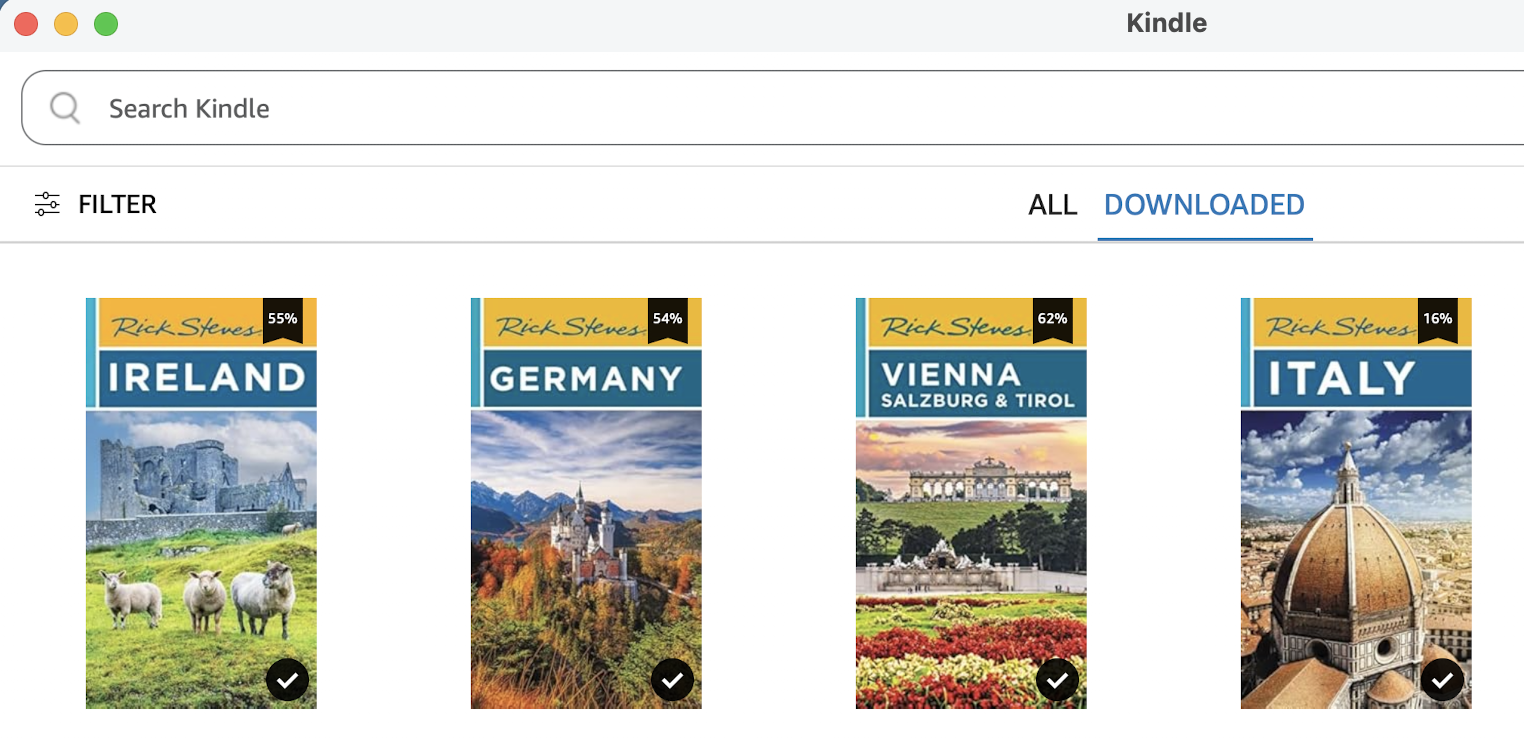
Although we used Rick Steve’s travel books (unpaid link) quite a bit, both in planning our trip and for reference while we were traveling, we did not bring the physical books with us. We bought the Kindle versions of the books so we could view them on our laptop and iPad that we had packed with us.
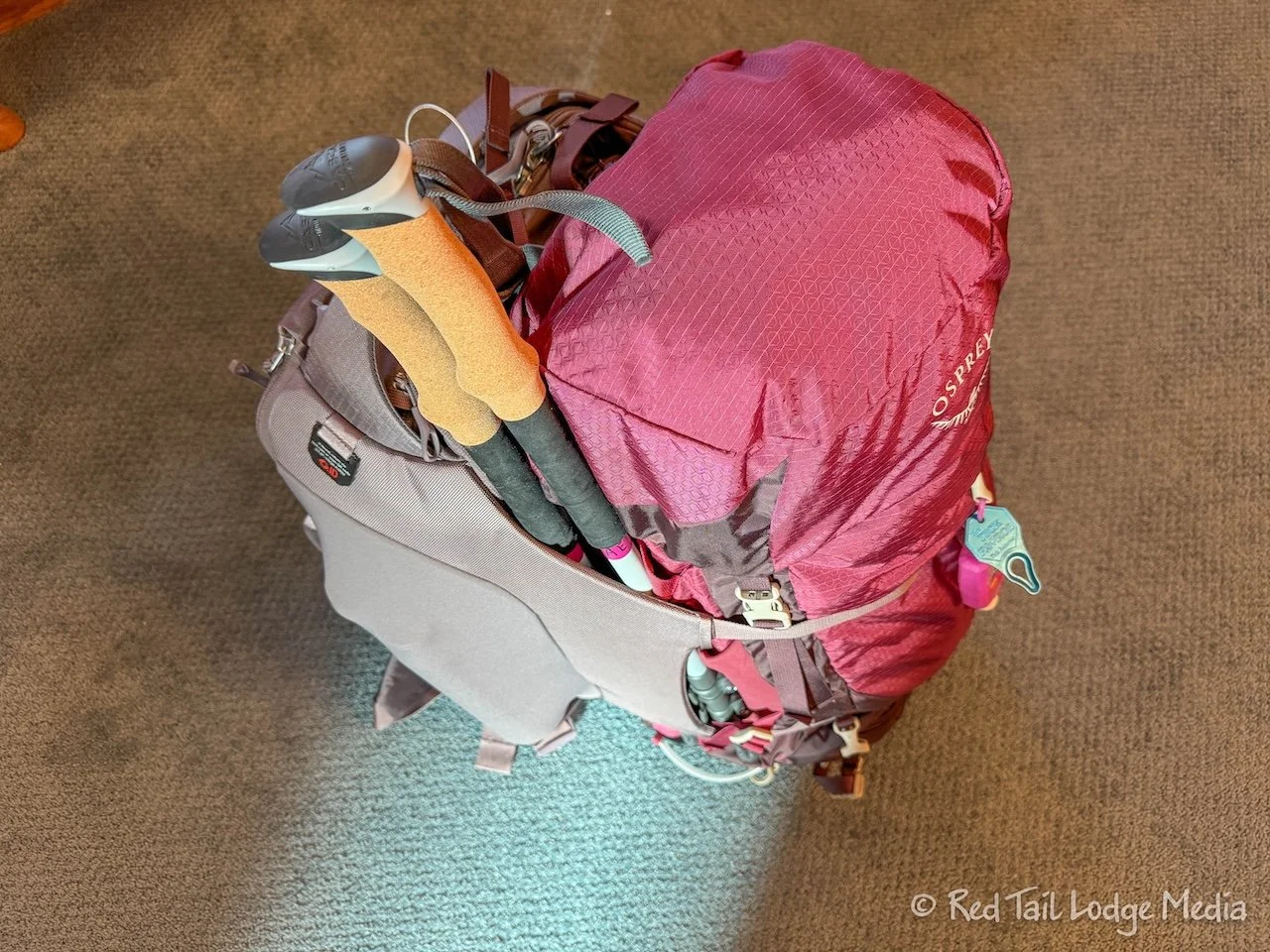
We recommend that you work out your packing list early and try packing everything in the luggage you intend to use. Make sure everything fits. Pick it up and strap it on your back. See how heavy it is. Make sure you can live with that.
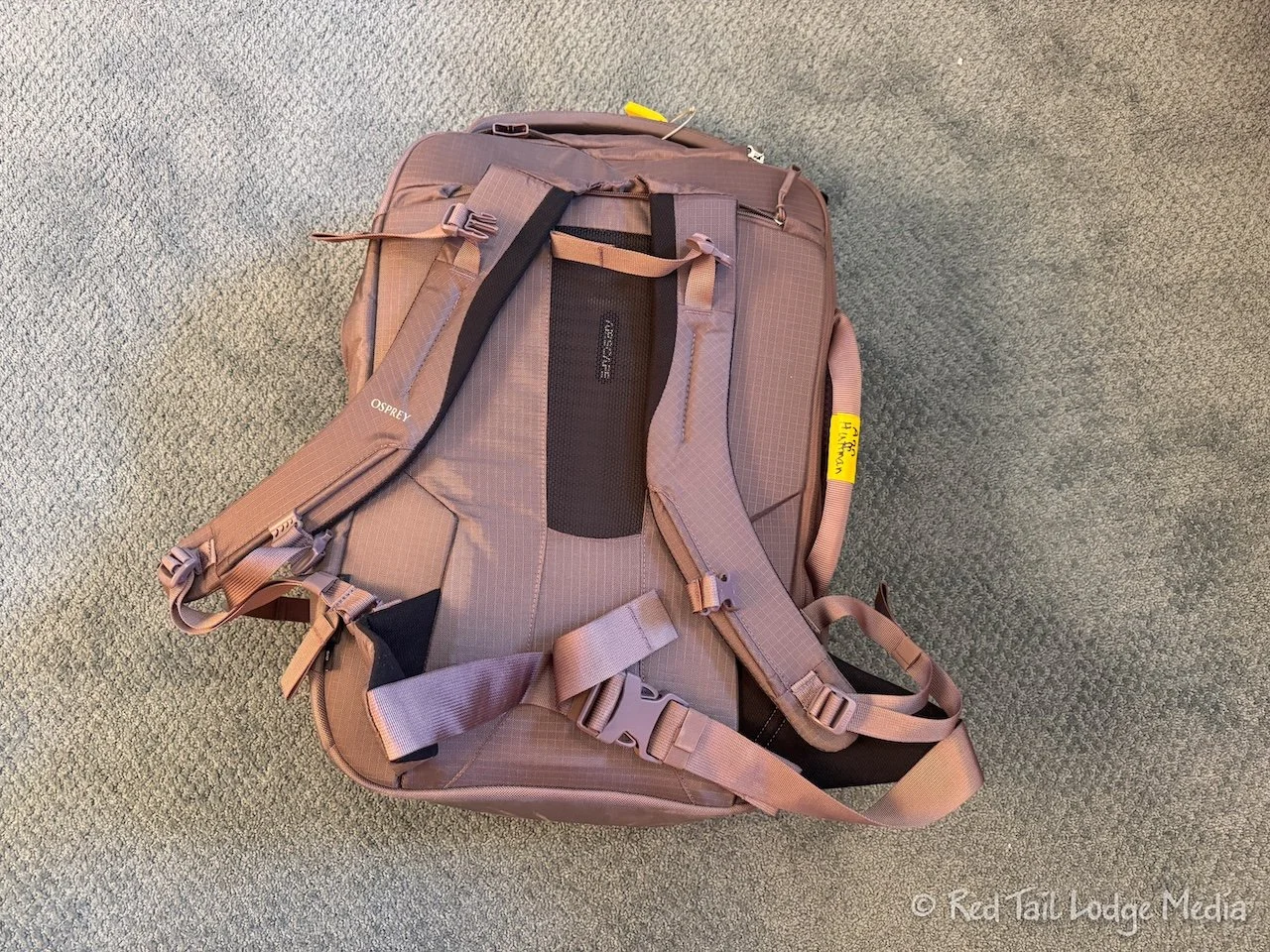
Our final advice is to use luggage that you can strap to your back. Having your hands free is helpful when you are going through train stations and need to pull out your phone to verify your ticket, or stop at the coffee shop for a drink or snack. Roller bags don’t work very well on uneven surfaces, like cobble-stone streets. Having the weight on your back is more comfortable if you have to walk a long distance.
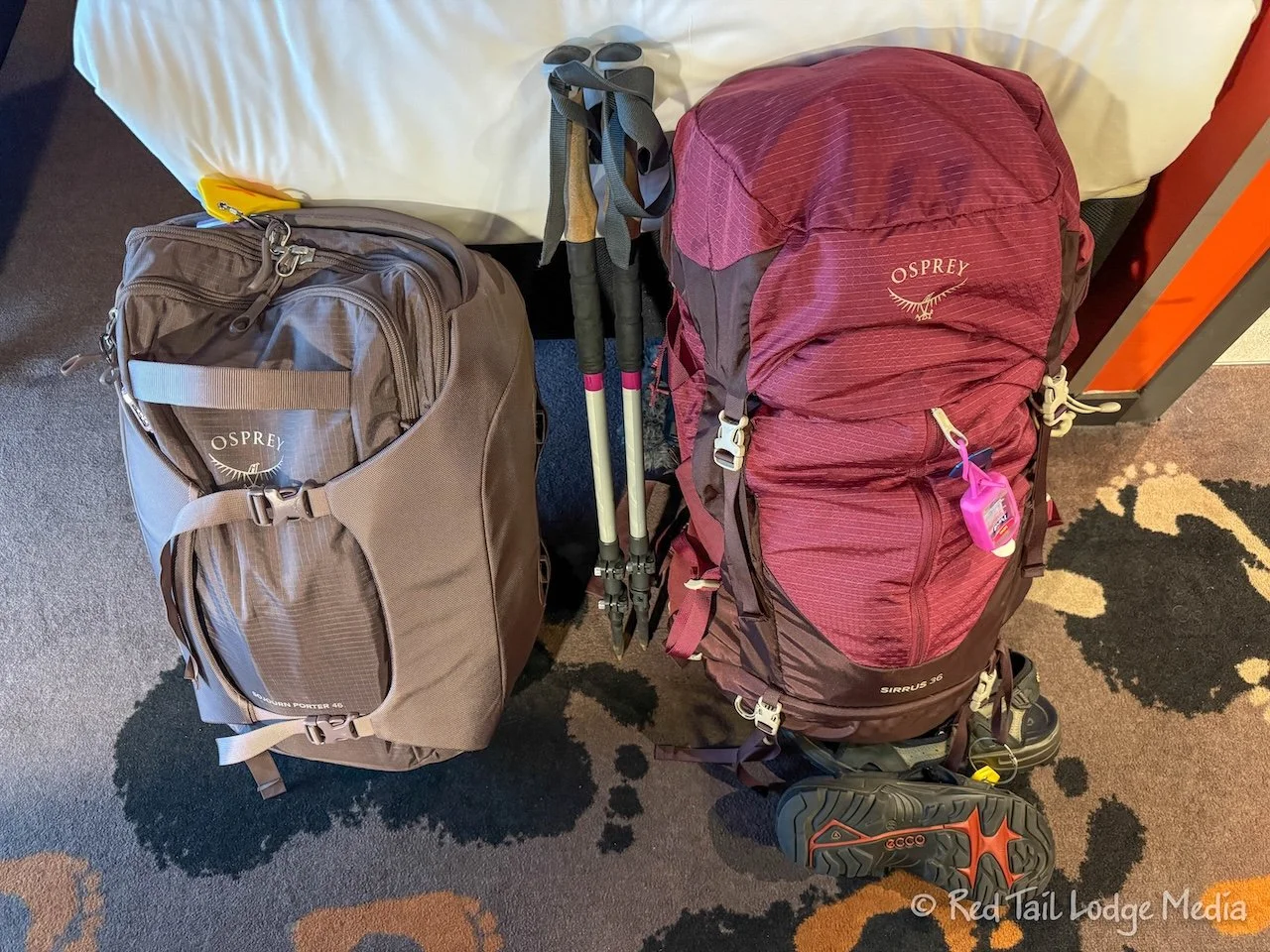
To see exactly what we packed for Europe, check out our previous post: Packing for Europe. When we hiked the Tour du Mont Blanc, we hiked with our luggage on our backs, so we paired down our luggage even more and left some of it in Chamonix while we were on trail. To see what we carried on trail with us, check out our post: Packing for the Tour du Mont Blanc.
Tip Seven: Transportation
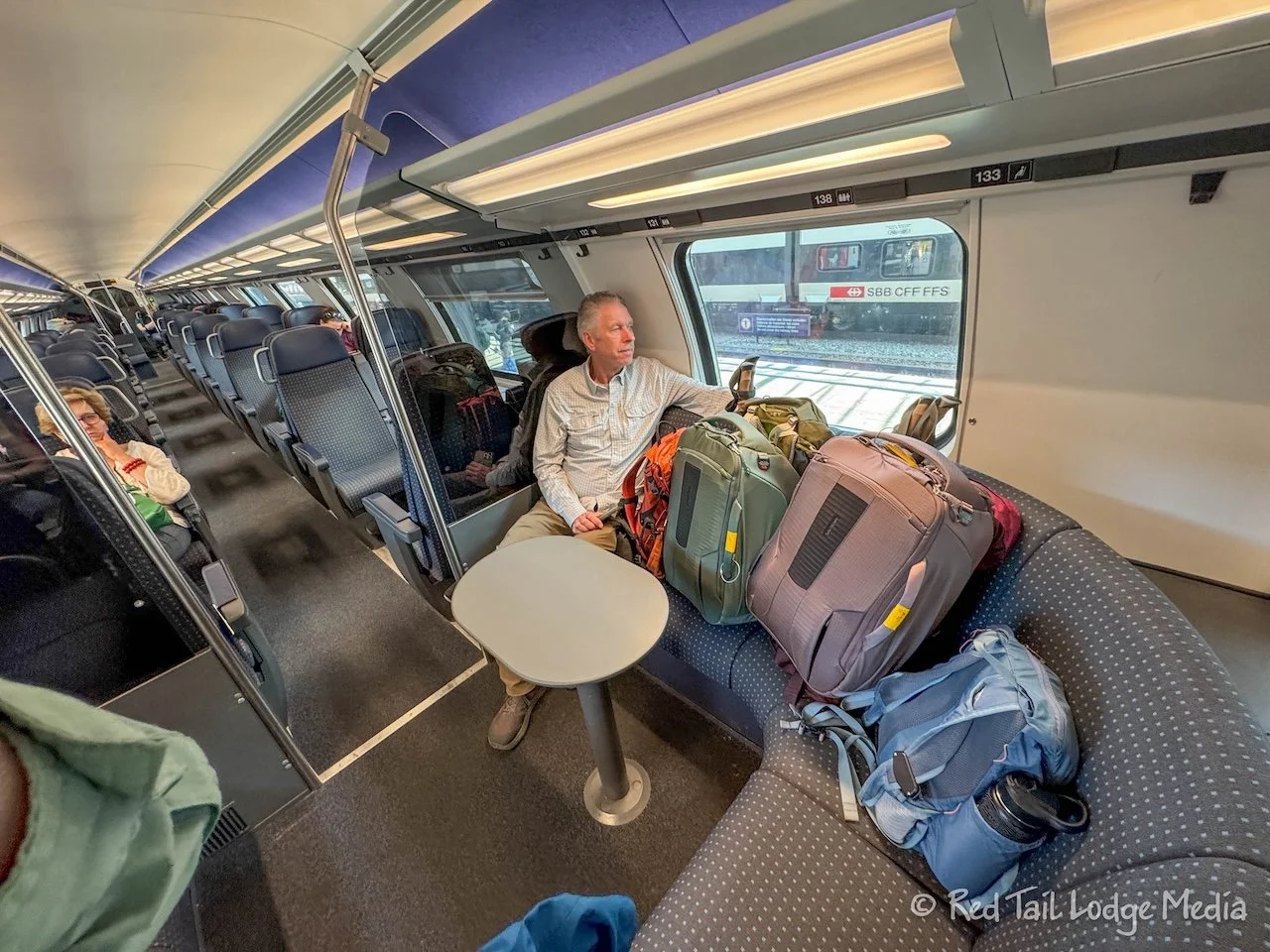
There are a lot of things to consider when deciding on what transportation to use. We used a variety of types of transportation, from cars to trains to boats. Research train and boat schedules and prices versus car rental prices.
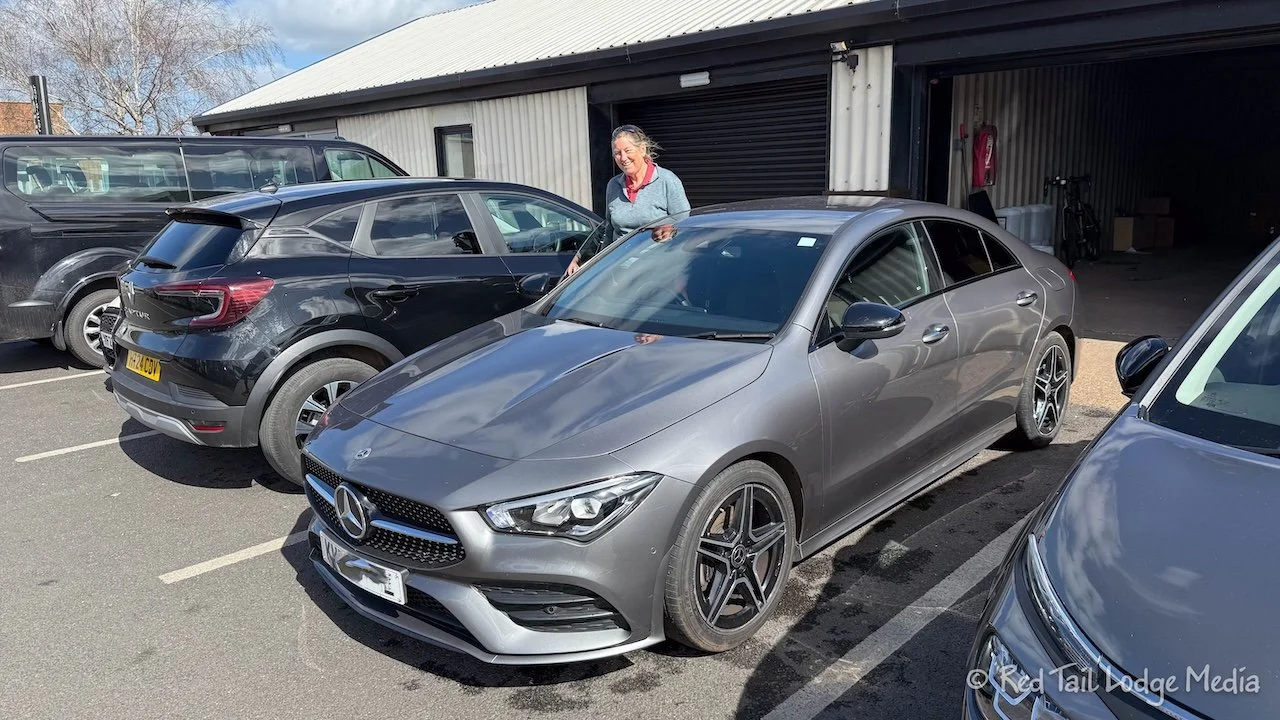
We used public transportation most of the time, when it made the most sense. There were three times we rented cars, for areas where public transportation was not that practical. The first time was for a few days when we visited Dartmoor National Park in England (Dartmoor National Park, England - March 28th - 31st, 2025). The second time was for about three weeks in Ireland, when we weren’t in Dublin (Kilkenny, Ireland - April 22nd to 25th, 2025). The third time was for a month in Scotland (Oban, Scotland - May 26th to 29th, 2025).
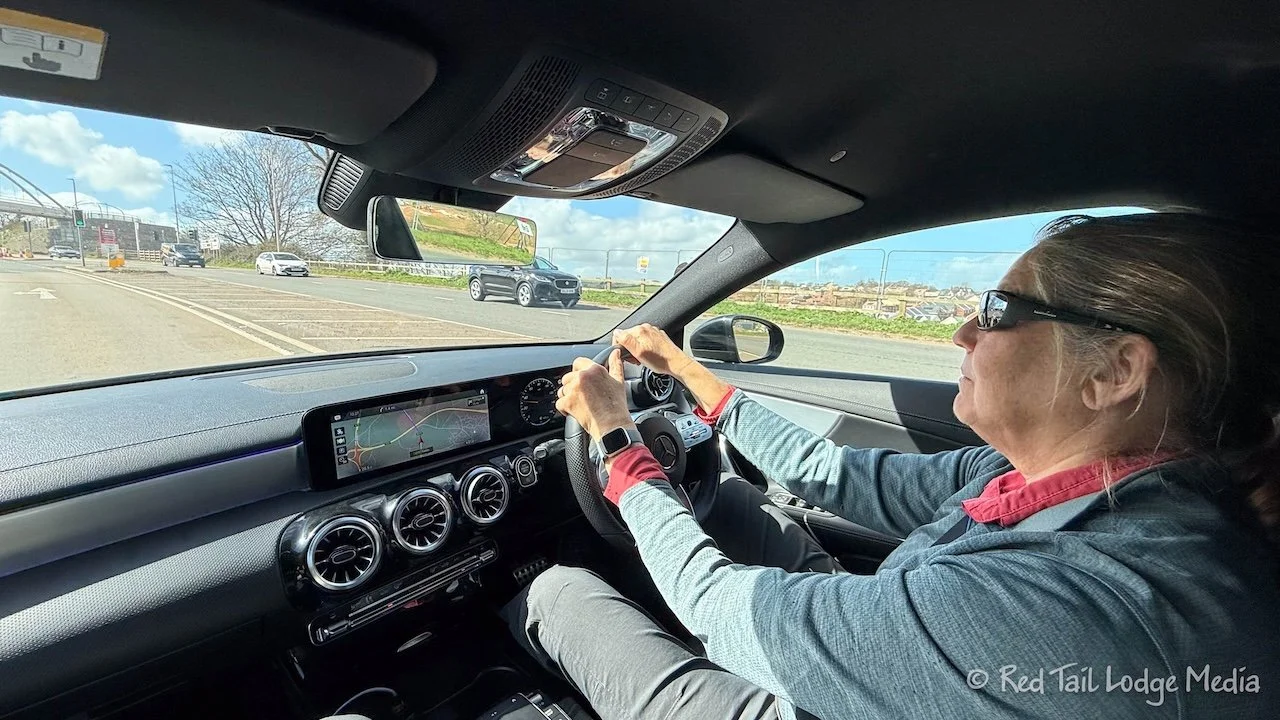
Be forewarned that Europeans like manual transmissions, so most of the rental cars available are manual. There are cars with automatic transmissions, but they rent for a higher price. Ann is comfortable driving a manual, but Keith is not. Plus, the places we were renting cars were in countries where they drive on the opposite side of the road from the States. We opted for renting automatics, to reduce the confusion of getting used to driving on the opposite side and through all of the roundabouts. We were thankful we did that, because some of the very narrow roads inside Dartmoor National Park made us nervous enough.
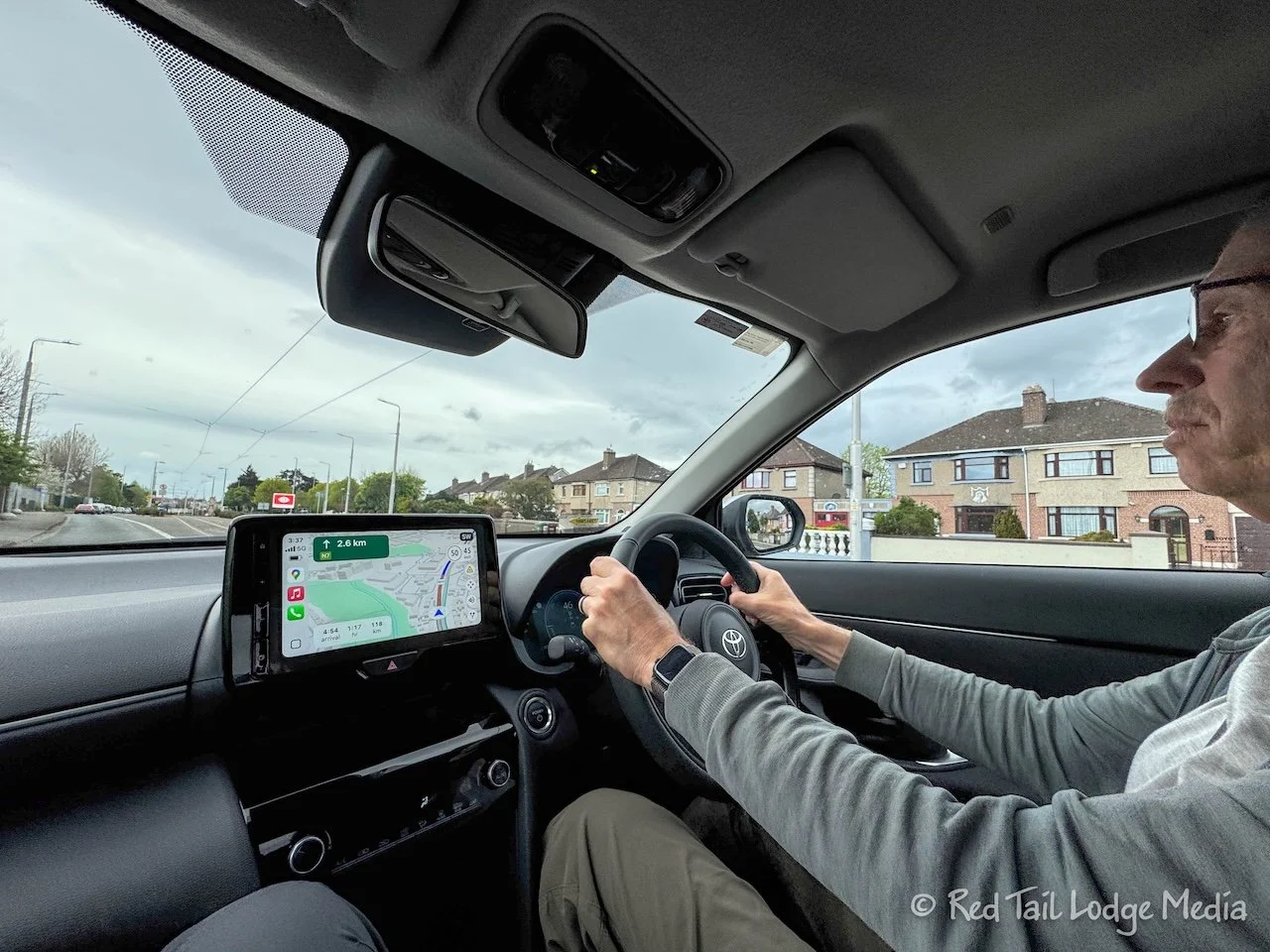
In the United States and Canada, most rental companies allow you to add your spouse as a driver for no additional charge. That is not true in Europe. They charge an extra fee, per day of the rental, for a second driver, even if they are your spouse. Those extra fees can add up pretty quickly to a significant amount of the rental. Even though Keith drove most of the time, we paid to have Ann added as a second driver, just in case she needed to. We’re not sure if you can add a second driver part way through your rental period. You’ll have to research that.
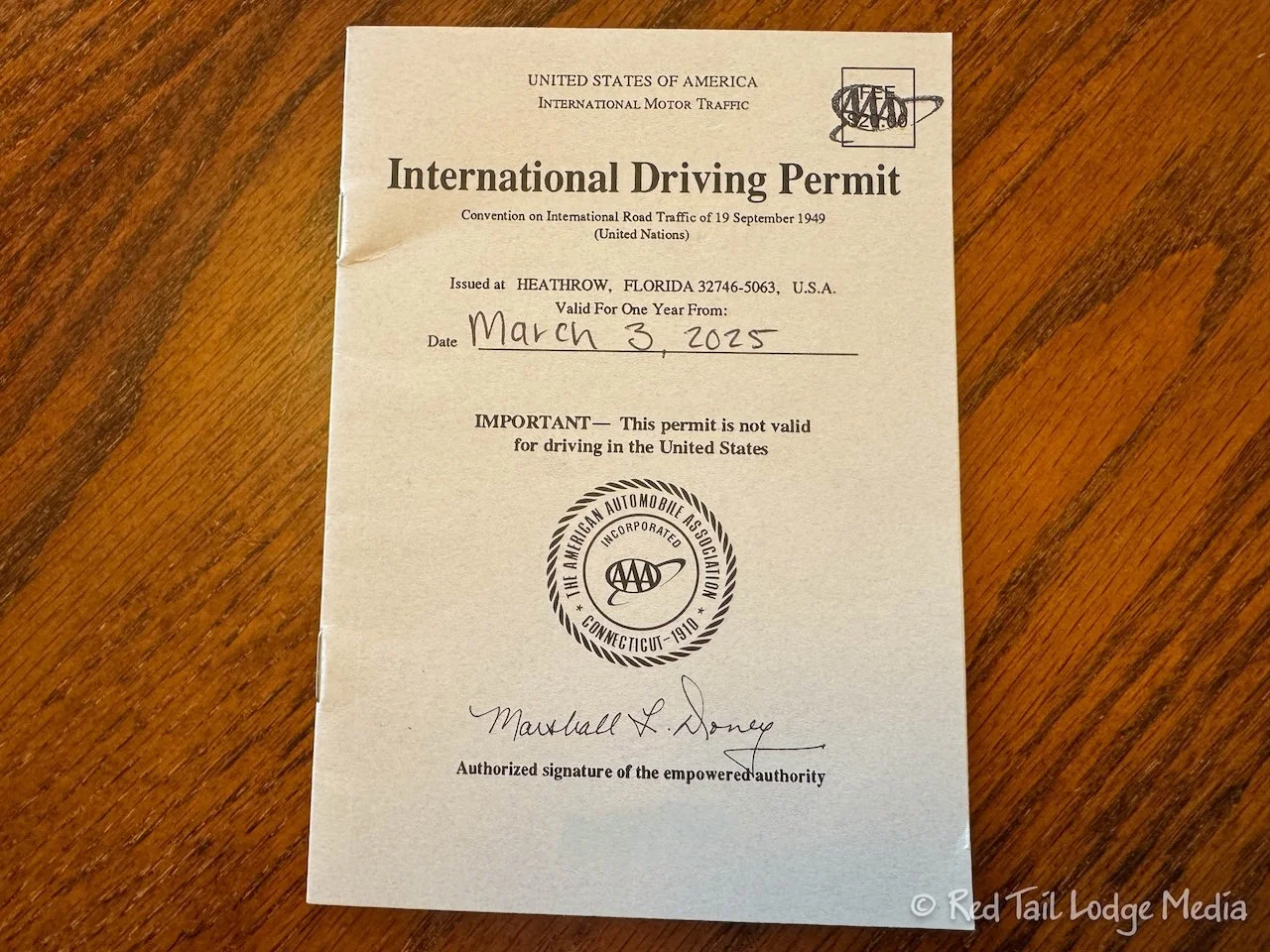
In order for foreigners to drive in Europe, an international driver’s license is usually required. International driver’s licenses can be obtained from AAA offices in the United States. We both acquired them. They are basically translations of your U.S. driver’s license into various languages. The international driver’s license must be accompanied by your state driver’s license. However, none of the rental car companies asked to see our international drivers licenses, just our state drivers licenses. We guessing that a police officer may request it, if you get pulled over.
Another thing to consider with rental cars is insurance. Our credit card (Prime VISA) claimed it provided collision insurance for rental cars in Europe, provided you declined the collision insurance from the rental company and used your Prime VISA card to pay for the rental. We had no problem doing that for our first rental, but the rental in Ireland was a little trickier. Many companies won’t cover rental car insurance in Ireland, so the rental car company in Ireland requires a Letter of Coverage from the credit card company in order to waive the collision insurance. Luckily, we found this out ahead of time and were able to obtain the letter to bring with us.
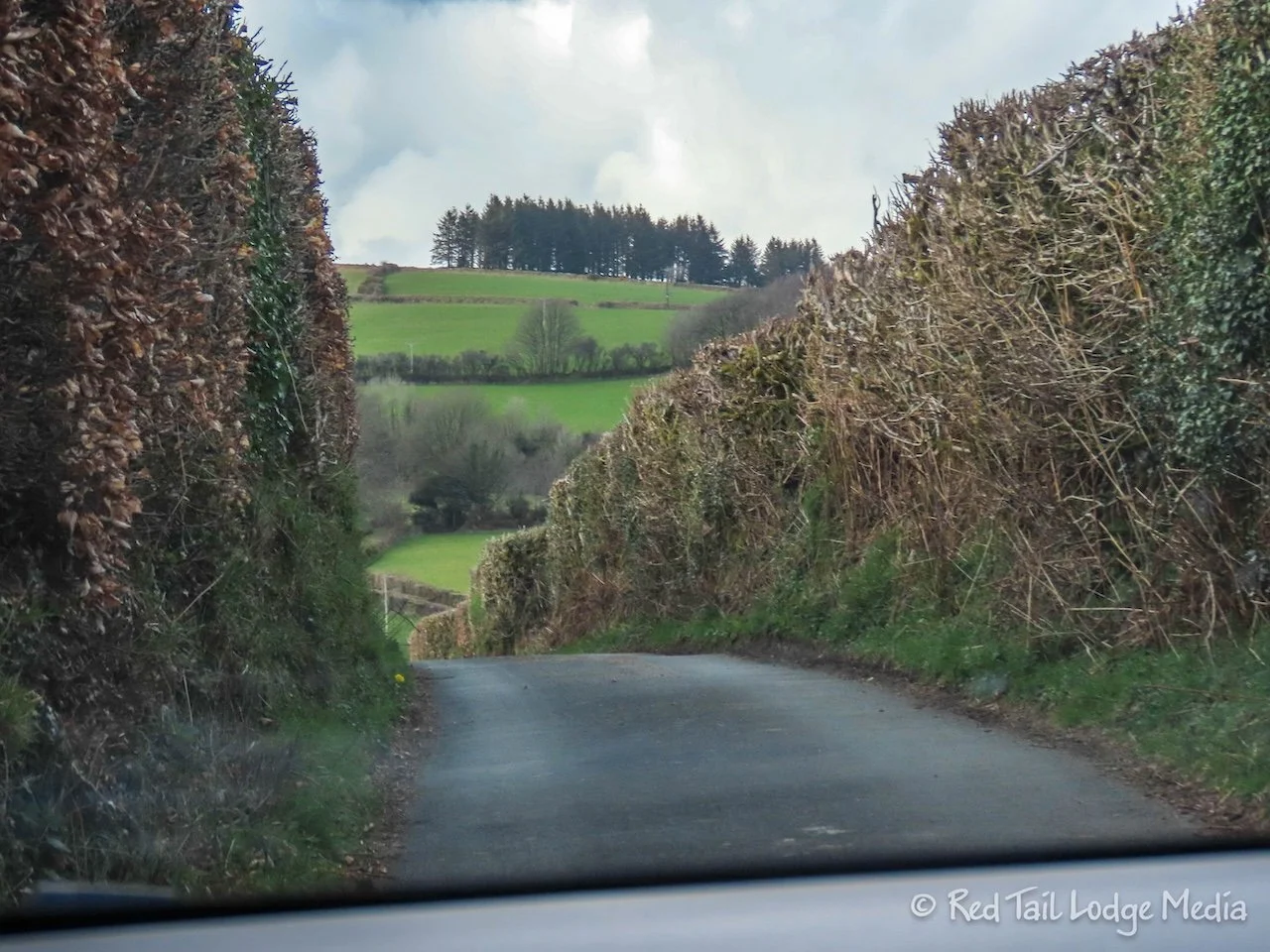
As we learned from our first car rental, if we return the car with a scratch that goes all the way down to the metal, there is a 2000 GBP charge for each scratch. After all of the very narrow roads in Dartmoor National Park and in Ireland, we decided to accept the collision insurance from the rental car company on our third rental, just to make sure we were covered.
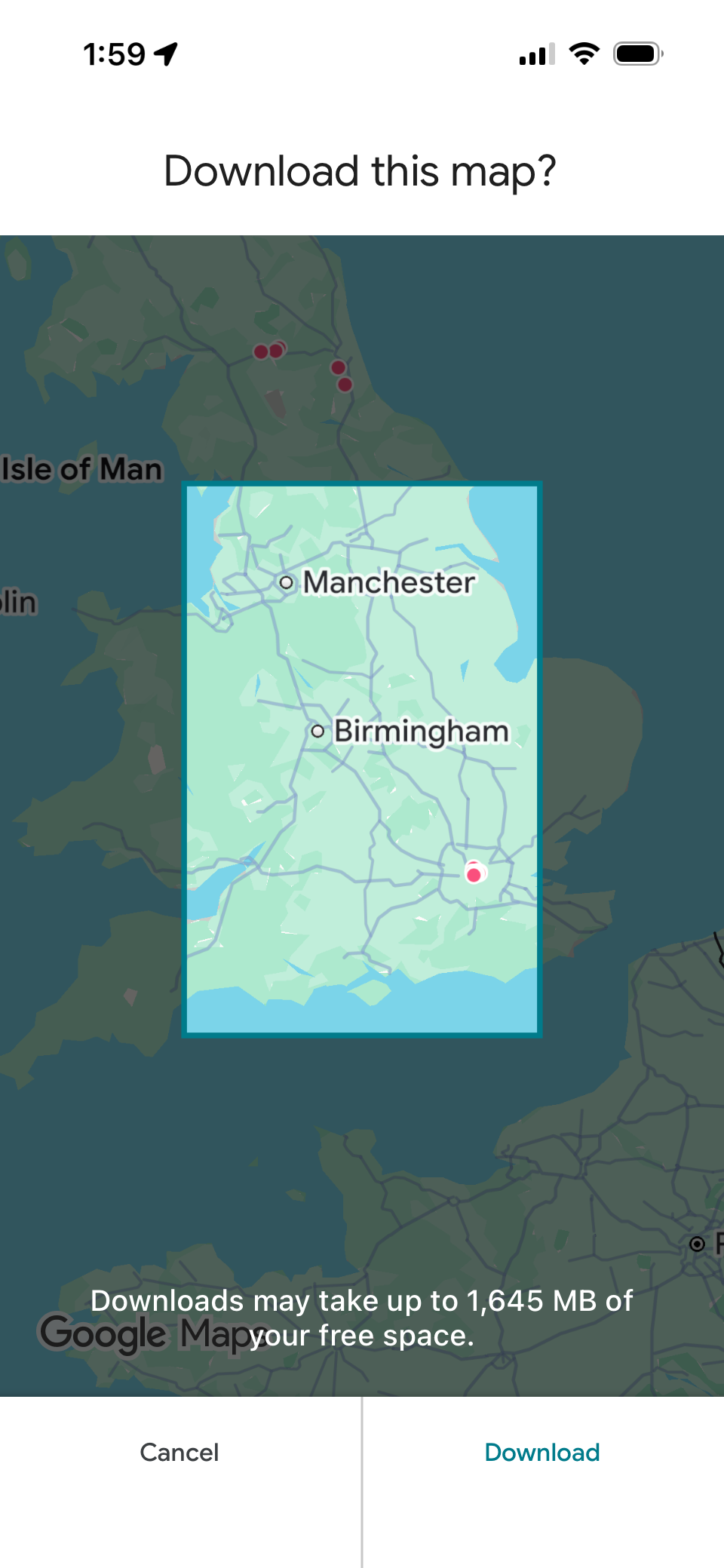
For navigating while we were driving around Europe, we used Google Maps, just like we do when we’re driving around the States. And just like we do when we’re in the States, we downloaded Google Maps for the areas we would be traveling, just to make sure we could still navigate when we had no internet connection. If you have a limited data plan while in Europe, downloading Google Maps while you’re still in the States will save you from using up data on your European cell phone plan.
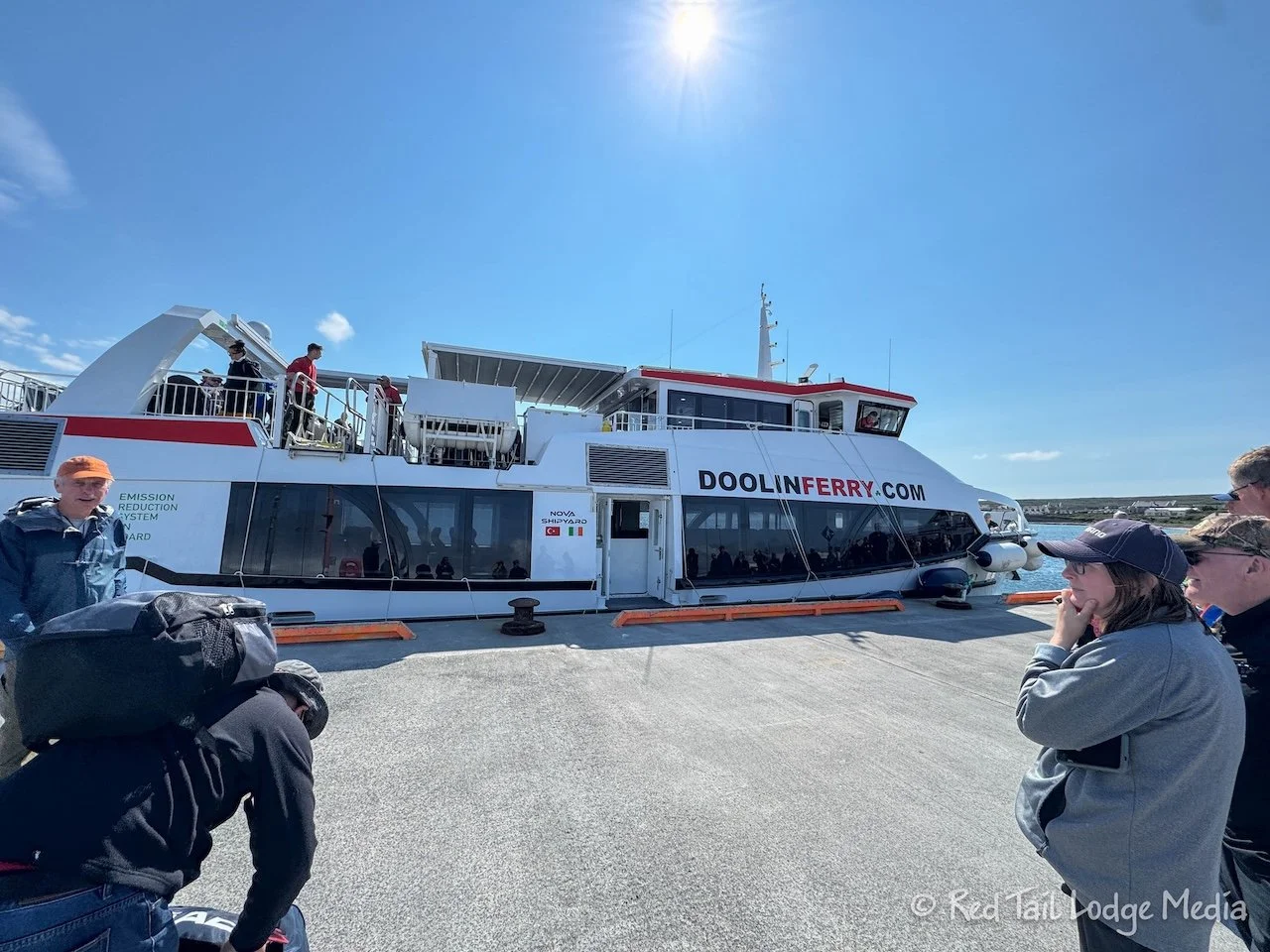
There were a few times we used ferries, both as a pedestrian and with a car. Some of them we reserved ahead of time and some we just paid when we arrived. The reservations we made were made directly with ferry companies. They included the ferry between Holyhead Wales and Dublin Ireland with Irish Ferries (Dublin, Ireland - April 17th to 21st and May 16th to 17th, 2025), the Doolin Ferry from Doolin to Inishmore island in Ireland (Inishmore, Ireland - May 10th to 11th, 2025), and Mallaig to Armadale in Scotland with CalMac (Isle of Skye, Scotland - June 2nd to 5th, 2025). Ones we did not have reservations for were the Tarbert to Killimer Ferry with Shannon Ferries (Doolin & Cliffs of Moher, Ireland - May 7th to 11th, 2025), and the Valentia Island Ferry (Dingle, Ireland - May 2nd to 6th, 2025), both in Ireland.

Most of our other transportation needs were met with trains. We reserved most of our trains for getting from one destination to the next. Figuring out what the best deals were seemed to be complicated. Part of the time we opted for convenience over price. We handled different sections of our trip differently.
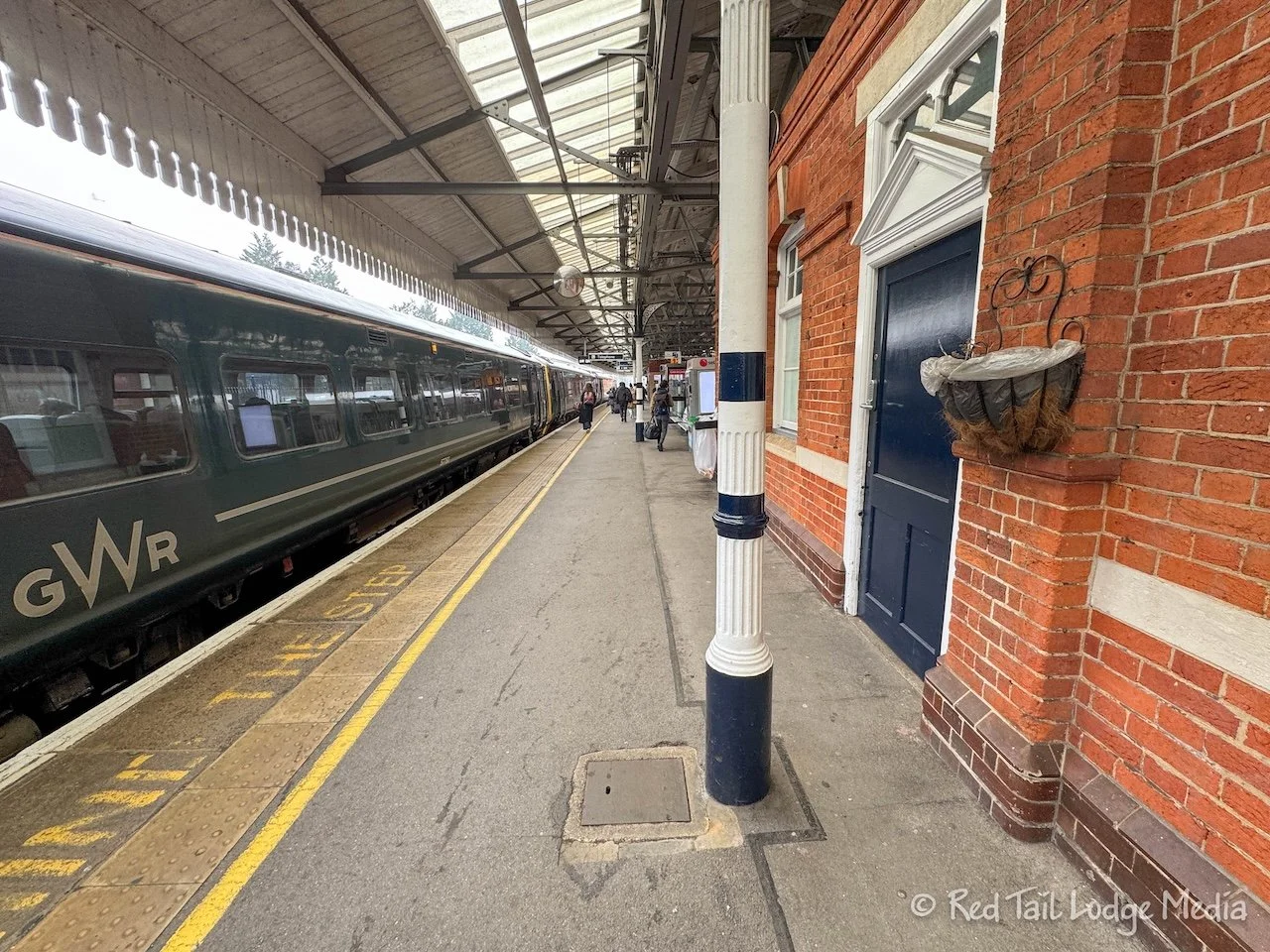
For trains in England, we bought our tickets individually through the GWR (Great Western Railway) website. There are quite a few different rail companies in England and Wales, but you can usually buy tickets for the other companies through any one of them. There is also a National Rail website that you can use as well. Ann liked the interface on GWR’s website, so she bought all of our tickets through them. We believe the price of the tickets are the same no matter which website you go through. It was nice that all of our reservations were in one app on our phones. Note that the GWR phone app only works while you are in the United Kingdom. It is easy to get around that restriction by using a VPN so it looks like you are in the UK.

When we had plenty of time for train connections, we usually bought an Advance ticket, which was usually the cheapest option, which was only valid for the date and train specified. If connections were tight, we usually opted for the Anytime ticket, which cost a little more, but was valid for any permitted train going to your destination that same day.
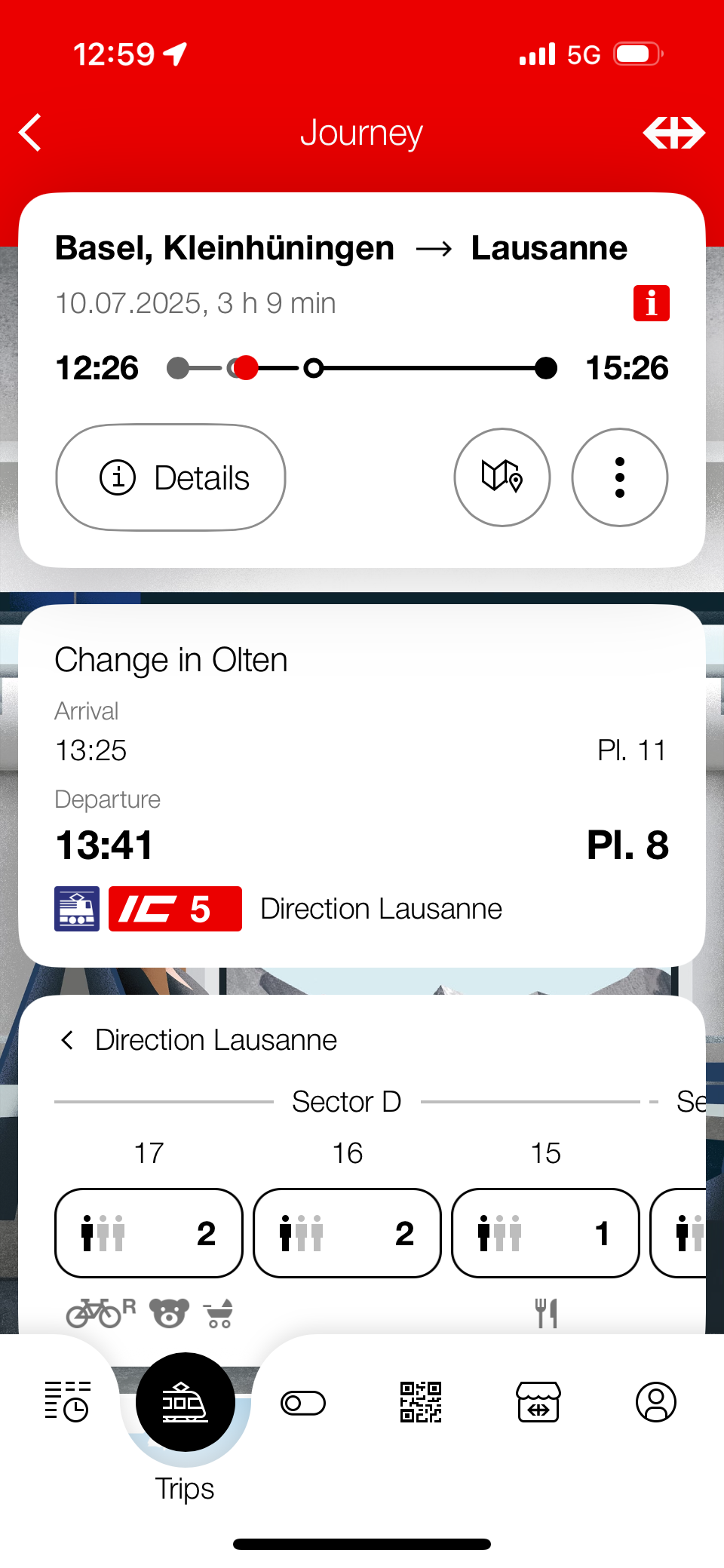
For trains in Switzerland, we opted for the Swiss Travel Pass from SBB. The Swiss Travel Pass is for those not residing in Switzerland. It is valid on most trains, buses and boats. It even covered the gondolas between Lauterbrunnen, Gimmelwald, and Murren (Gimmelwald, Switzerland - July 13th to 16th, 2025). It also had additional benefits, such as free admission to the castle in Gruyère (Lausanne, Switzerland - July 10th to 12th, 2025). The 8 day pass fit our itinerary perfectly. We downloaded the SBB phone app and purchased our passes through the app.
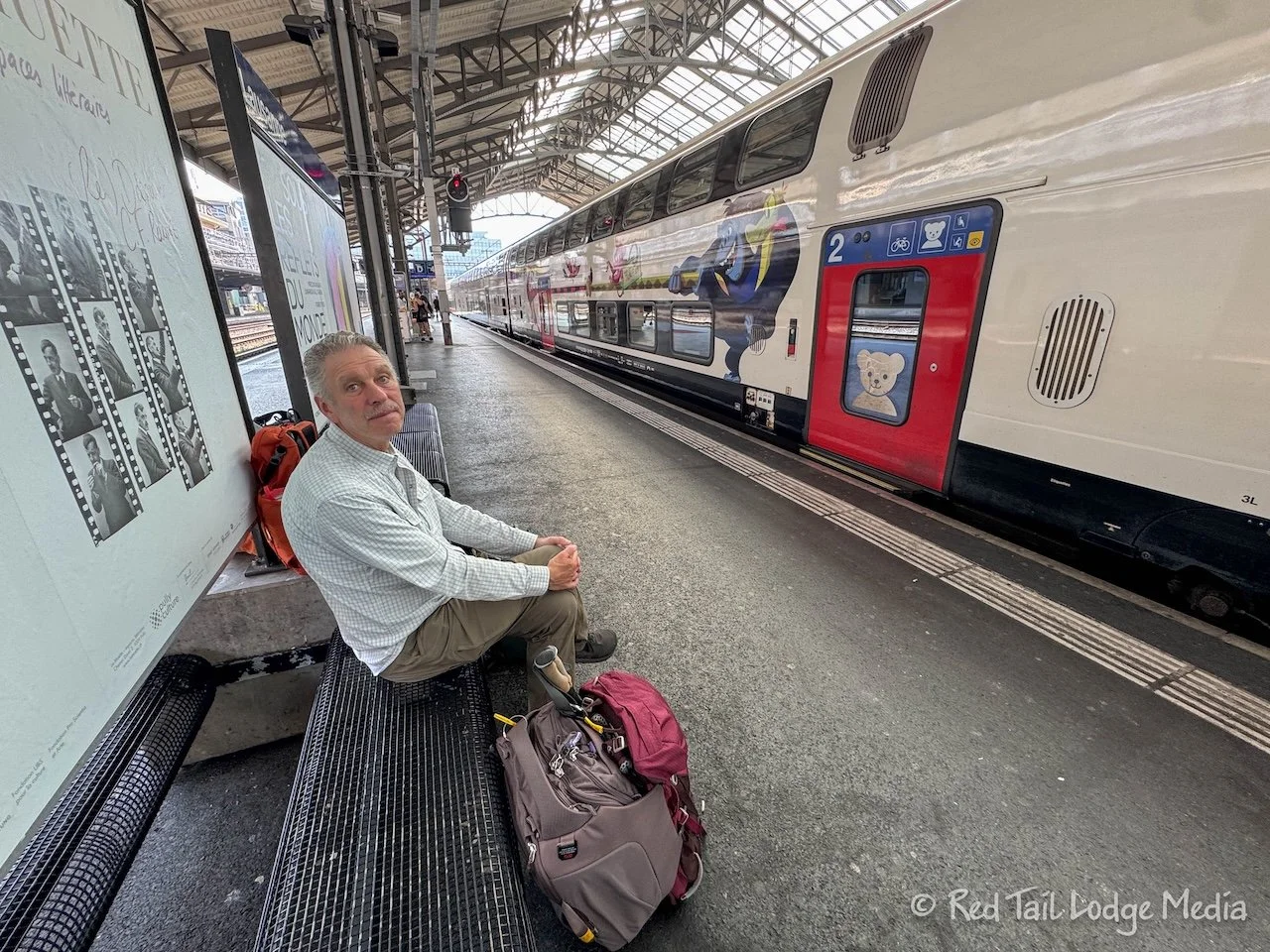
Swiss trains are very punctual and run often enough that you don’t need reservations (except for the scenic trains) and you barely need to look at a schedule. Just show up to the station and hop on the next train going to your desired location. The SBB app did show train schedules and would show which connections you needed to get to your final destination. It also displayed warnings of routes that had construction which might cause delays, so you could opt for a different route. We did not reserve our trains in Switzerland, except when we were leaving to go to Chamonix in France.

For the rest of our trains in Europe, we used Eurail. We did not comparison shop the Eurail Pass versus buying the train tickets directly. Instead, we just picked Eurail for convenience and flexibility. The remainder of our Europe trip was through five different countries, on trains from at least six different train companies. Plus, there were some long travel days, involving quite a few connections.
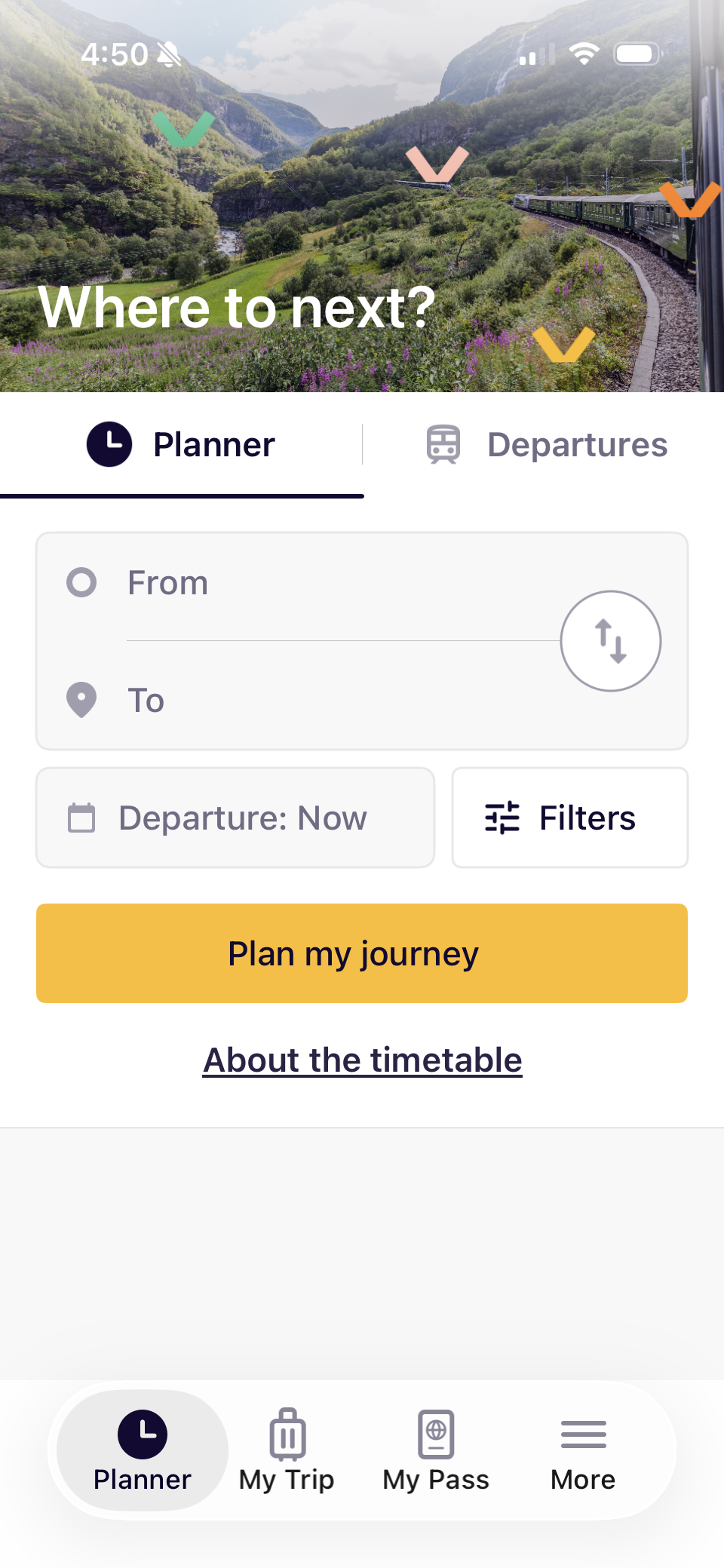
The Eurail Pass is a rail pass for non-Europeans (there is a similar Interrail Pass for Europeans). The pass is valid for most trains throughout Europe. The Eurail Pass for 10 days of travel within a two month time period fit our itinerary perfectly. We bought the pass, downloaded their Rail Planner phone app, and loaded our passes into the app.
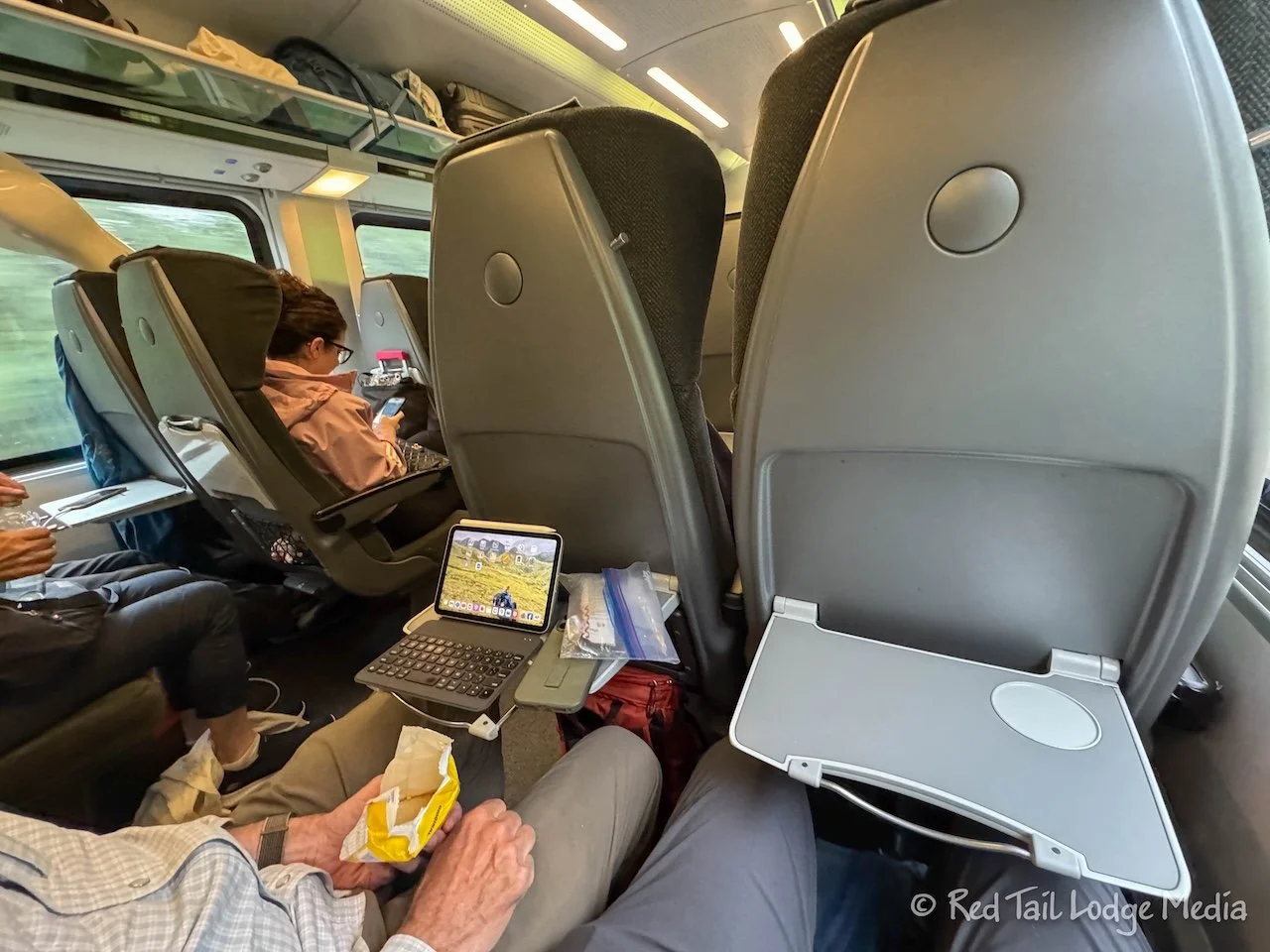
Seat reservations are not included with the pass. We generally like making seat reservations if they are available, even if they are not required, just to make sure we have a seat. You can purchase the seat reservation directly from the train company, or through the Eurail website. We opted to purchase the reservations through Eurail, even though it cost a little more through them, just so we could have our reservations all in one place.
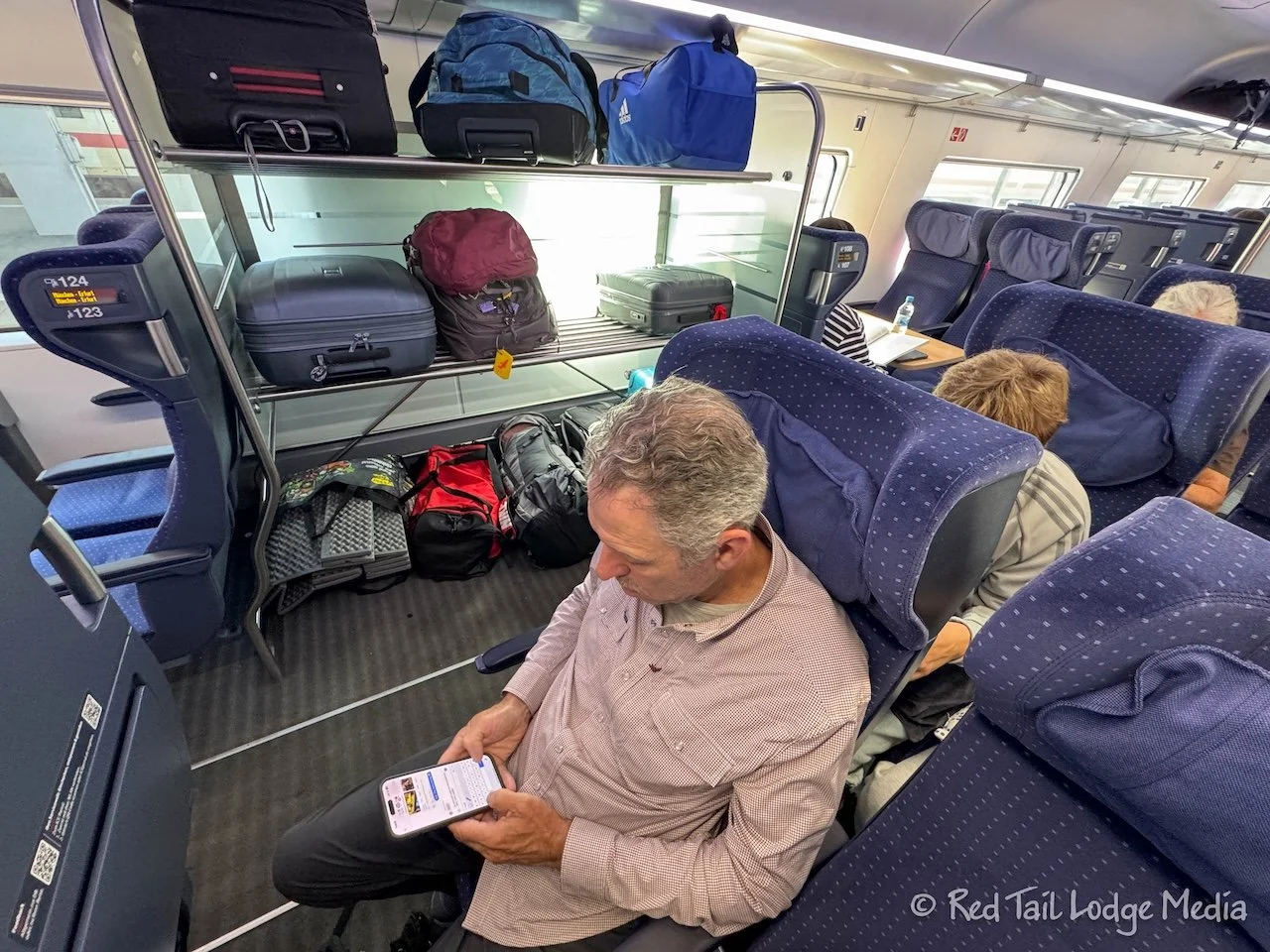
You activate the Eurail pass through the app for the first day of travel. Before you board the train, you have to have that train added to your pass (called a journey in the app). Then you can show your ticket in the app to the inspector. You can add and remove trains (journeys) throughout the day, as long as the train is added before you board that particular train. This allows flexibility in case you miss a connection. You remove the missed connection from your pass, then add a later train to the pass before you board and you’re all set.
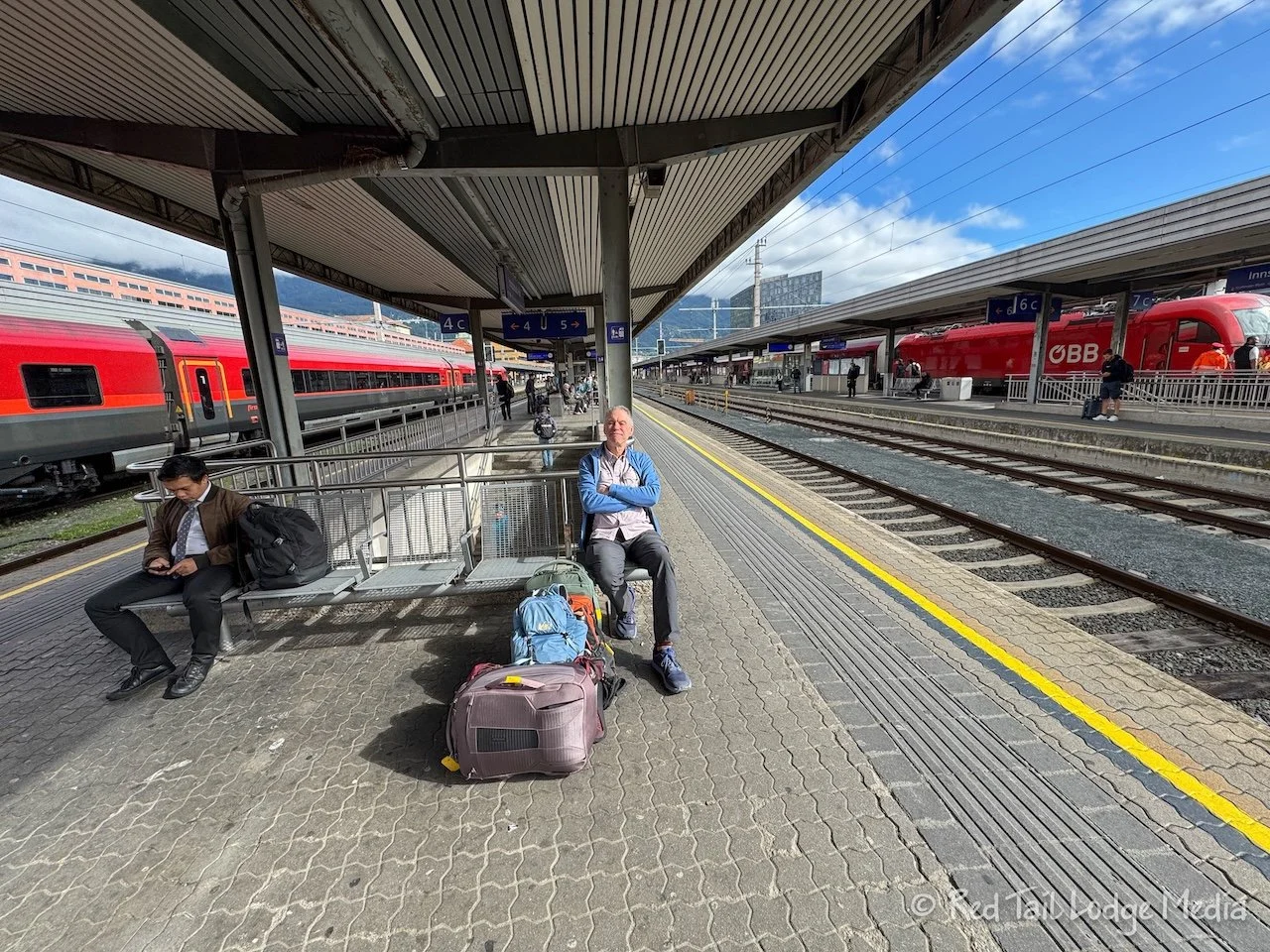
The Eurail app keeps updated information on the trains, including current delays, as long as you have an internet connection. It will even alert you if it looks like you’ll miss a connection due to delays. There were a couple of times that we missed our connection and we were able to change our ticket to a later train.

We tried not to reserve tight connections, so a couple of times we arrived in time to take an earlier train. However, we waited for our scheduled train because we weren’t sure we could change our ticket fast enough in the app before boarding the earlier train. So a good strategy might be to add the tight connection to your pass and change it if you miss the connection, as you will have more time to change it. However, that assumes you have an internet connection at the train station where you are making the connection. We don’t know how often that is an issue.
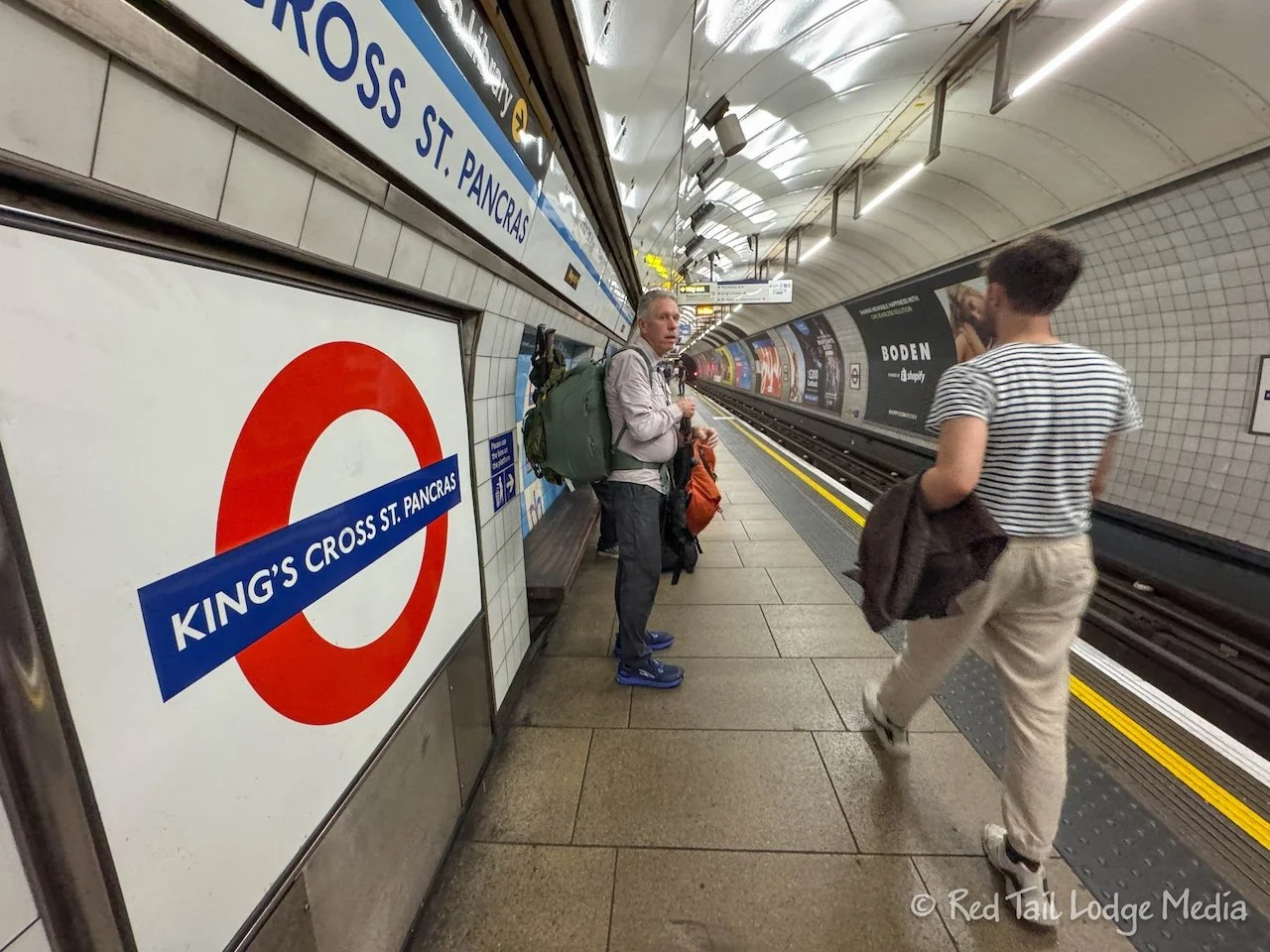
As far as local transportation was concerned, we didn’t use a lot, since we normally like to walk, especially as we explore a city. However, there were two destinations where walking everywhere was not practical due to their size. Those were London, Vienna, and Munich.
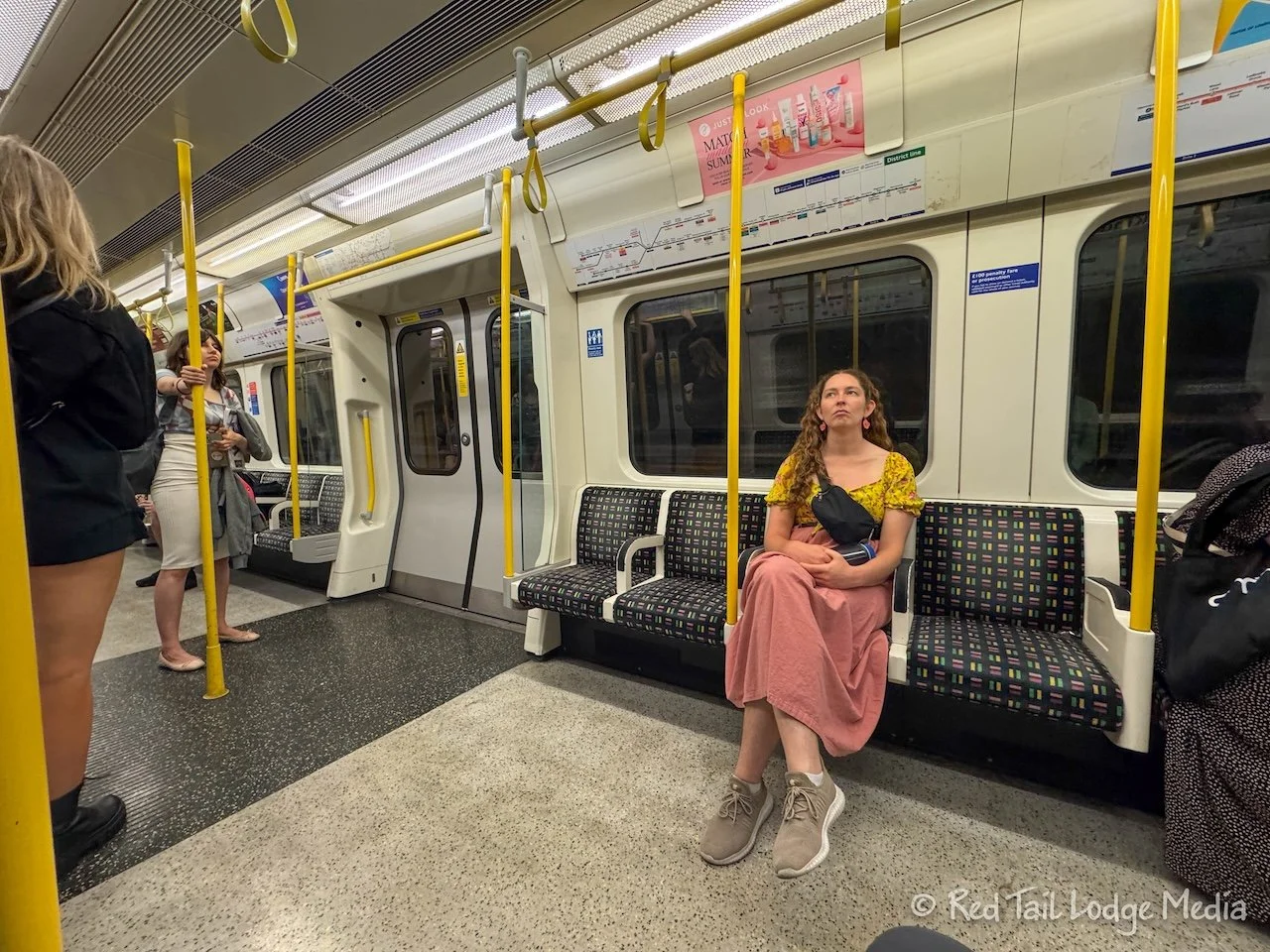
In London, we just used our credit cards (via the Apple Wallet on our phones) at the turnstiles when we entered and exiting the subway stations. The system automatically charges you the rate for the routes taken up to a daily maximum (then no charges after that), which Transport for London calls “Pay as you go”. This is generally the cheapest option. There are some types of travel cards available, but they are priced close to the daily maximum, so it would be hard to imagine when the travel cards would be cost effective. We were in London for five days and never came close to reaching the daily maximum (the most we paid for a day was less than $8 per person), but we also walked close to ten miles every day (London, England - June 24th to 28th, 2025). Your mileage may vary.
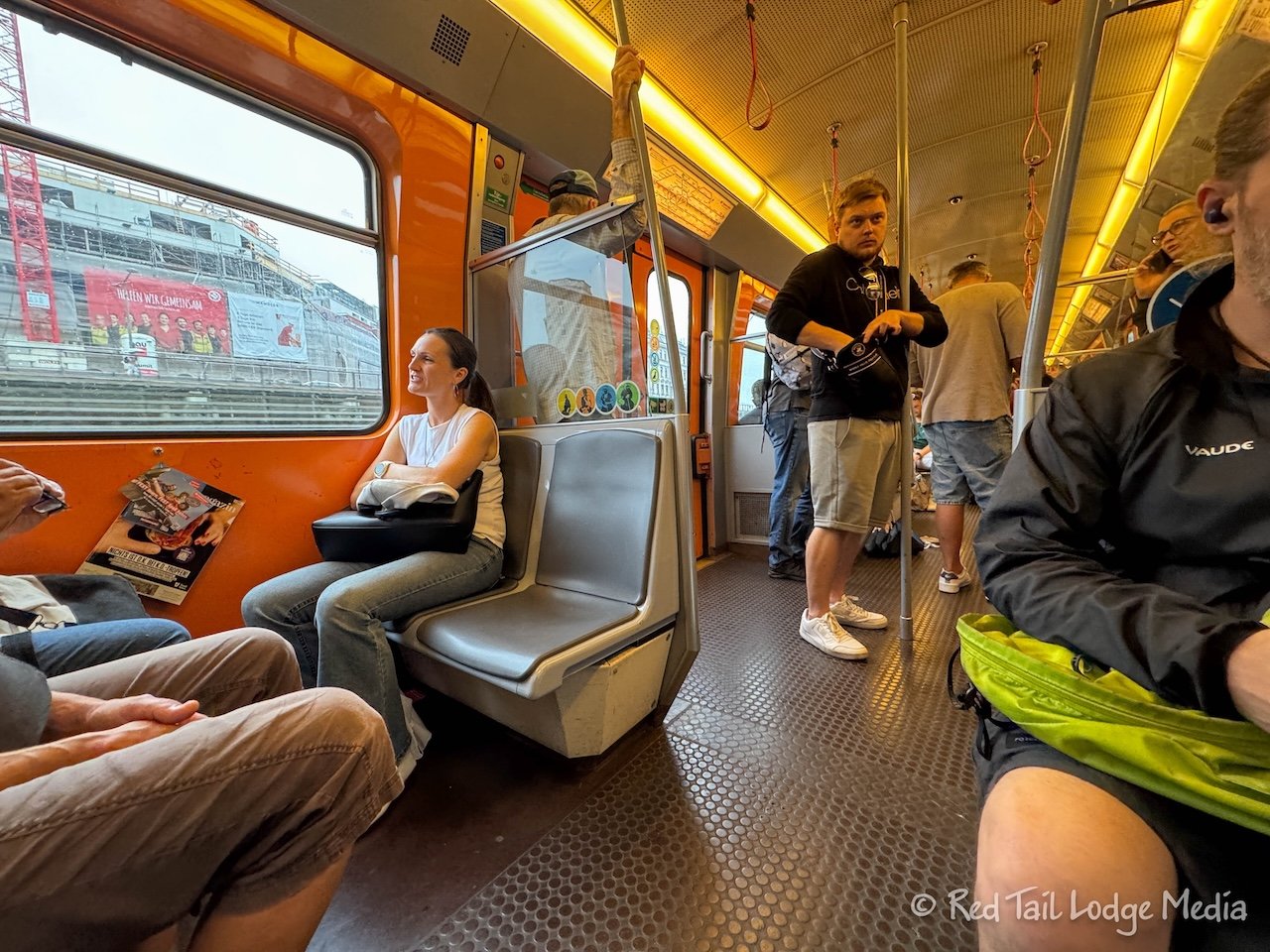
In Vienna, we only used the local transportation system a few times, so we just bought single tickets from the machines right before boarding the U-bahn (underground train). The tickets were less than $3 per trip, so we didn’t even bother looking into other ticket options.

Munich’s local transportation (MVV) ticketing system was not quite as convenient as London’s. It looked like they were starting to implement a similar “pay as you go” system, but it required creating an account and linking it to a bank account. We couldn’t figure out how to link it to a U.S. bank account, so we just bought tickets from a ticket machine every day. There are single and group day tickets which seemed like the best deal for us. You just have to determine which zones you will be traveling in. The M-Zone was all we ever needed. If you also need to get to or from the airport, you’ll need Zone 5. A group day ticket was valid for two to five people (children between ages 6 and 14 count as half). Since we met up with friends and relatives in Munich, we would figure out what combination of group and single tickets we needed for the day, keeping in mind that the group ticket required traveling together, as there was only one ticket for the whole group.
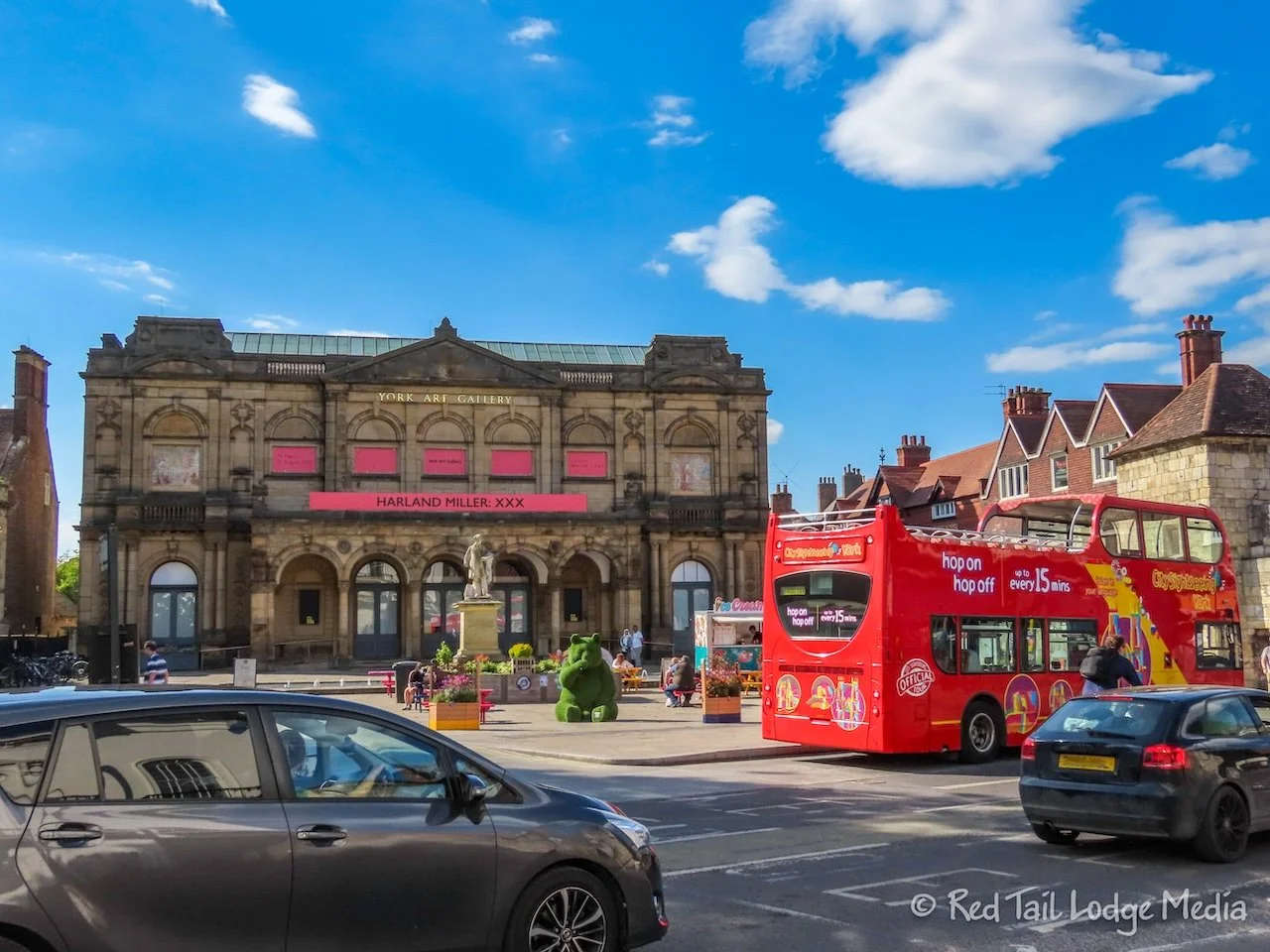
Many cities have Hop-on/hop-off bus tours, often offered by several competing bus companies. We don’t recommend using these as a means of transportation, as other public transportation options are usually cheaper. However, we used them as great ways to get an introduction to the city, getting a layout of the land, seeing what the highlights in the area are, and learning some history along the way.
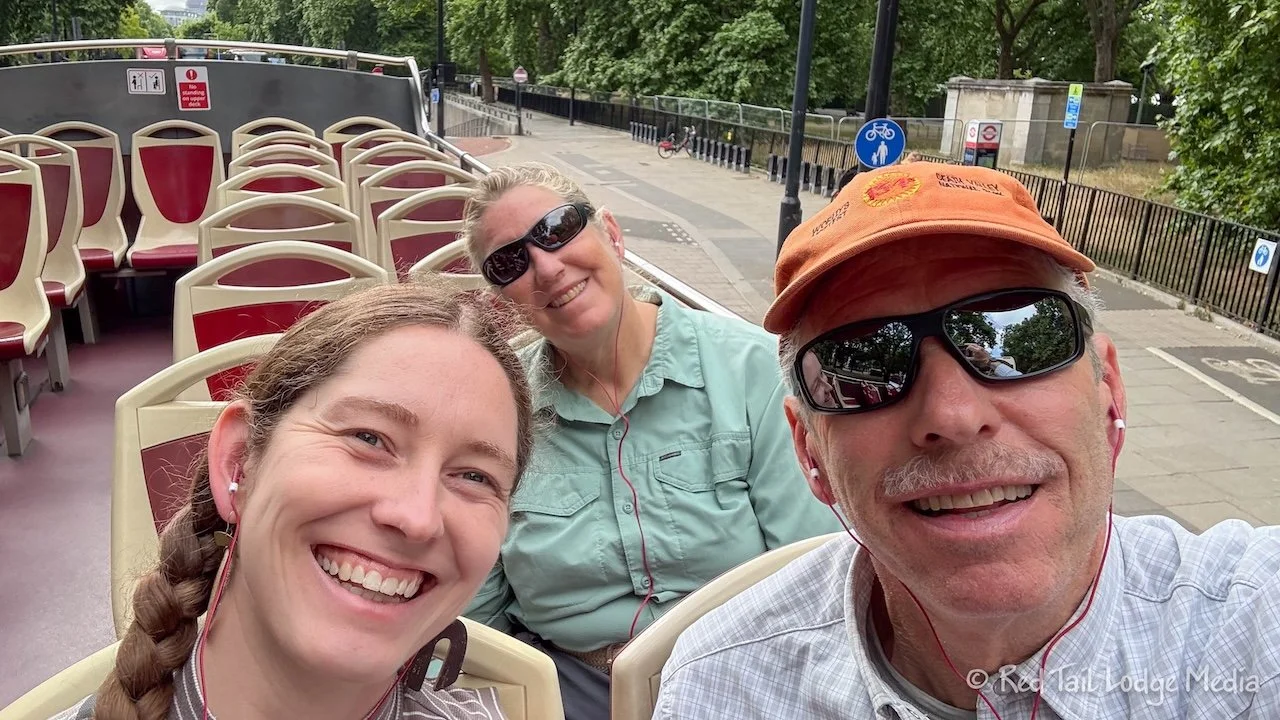
Our preferred method is just to ride the bus for the whole loop and not get off at any of the stops. We have found in the past, that if you get off at a stop, you only have time to visit one or two locations before you run out of time to complete the loop in a day. Plus, you spend a lot of time waiting for the next bus to arrive. However, because the hop-on/hop-off loop had a lot of stops, there was usually one close to where we were staying, so we would just start and stop the loop at the most convenient stop. The hop-on/hop-off tours that we took were in Dublin Ireland (Dublin, Ireland - April 17th to 21st and May 16th to 17th, 2025) and Edinburgh Scotland (Edinburgh, Scotland - June 13th to 16th, 2025), as well as York (York, England - May 20th to 22nd and June 20th to 23rd, 2025) and London (London, England - June 24th to 28th, 2025) in England.
Tip Eight: Staying Informed
As we were planning our European trip, Visa rules seemed to be changing constantly. The Schengen countries (mostly EU countries) kept delaying the start date of their new Electronic Information and Authorisation System (ETIAS). For U.S. citizens and those of several other countries, no Visa is required for entering the Schengen area, as long as they only stay within the Schengen area for 90 days or less during any 180 day period. There was talk that the ETIAS would go into effect before our trip, but the delays pushed it out past our trip, with the current target as late 2026. In the mean time, they’ve implemented a new Entry and Exit System (EES), which started October 12, 2025, after we were back from our trip. The EES collects your fingerprints, facial image, passport details, and entry and exit dates when you enter the Schengen Area or Switzerland. No fees or advanced action is required.
Then the United Kingdom implemented their version of the ETIAS, called ETA (Electronic Travel Authorisation), which started before our trip. The ETA required us to register with the ETA system which involves filling out a form and paying a small fee. It is essentially a pre-clearance for travel and is valid for two years. Proof of your ETA approval is required to enter the United Kingdom. The ETA allows U.S. citizens (and citizens from some other countries) to visit the United Kingdom for up to 6 months without a visa.
How do you stay informed about all these rules and keep up with the changes? We found the U.S. Department of State’s travel.state.gov website to be invaluable. In addition to changing visa rules, they also have timely information about different countries and travel advice. It is where we found out that England has very strict knife laws.
The Department of State also has a program called STEP (Smart Traveler Enrollment Program). Through STEP, you can register with the U.S. embassy or consulate for each of your destinations to receive important updates and alerts for the time periods you choose. The updates and alerts include things such as security alerts, demonstration alerts, health alerts, weather or natural disaster alerts, travel advisory alerts, and routine messages about the U.S. embassy and consulate services. We registered with all of our destinations in Europe.
Tip Nine: Booking Attractions

Normally we like to arrive at a destination before we decide exactly what we are going to see and do there, but many attractions can be booked full by the time we arrive. So we would look ahead and research what things we might want to reserve ahead of time, especially if it was something high on our priority list. It was tricky to figure out how far in advance you needed to book, so, if it was something we really didn’t want to miss, we leaned towards being safe than sorry and booked it far in advance, sometimes as far out as six months or more.

The list of attractions we booked ahead of time included the Stonehenge Circle Experience (Salisbury & Stonehenge, England - March 24th to 27th, 2025), the boat tour around Skellig Michael (Portmagee & Skellig, Ireland - April 29th to May 1st, 2025), the Great Blasket Island Eco Tour (Dingle, Ireland - May 2nd to 6th, 2025), Cliffs of Moher cruise (Doolin & Cliffs of Moher, Ireland - May 7th to 11th, 2025), bike rental and shuttle ride for cycling the Great Western Greenway (Westport, Ireland - May 12th to 15th, 2025), the Hawk Walk with Ireland’s School of Falconry at Ashford Castle (also near Westport), the Wildlife Tour Tobermory, Treshnish & Staffa booked through West Coast Tours (Oban, Scotland - May 26th to 29th, 2025), White Cliffs of Dover & Canterbury City Day Tour through Day Tours London (London, England - June 24th to 28th, 2025), the Lion King Musical in London, and beer tent table reservations for Oktoberfest in Munich (look for future post about Munich).
Tip Ten: Foreign Languages
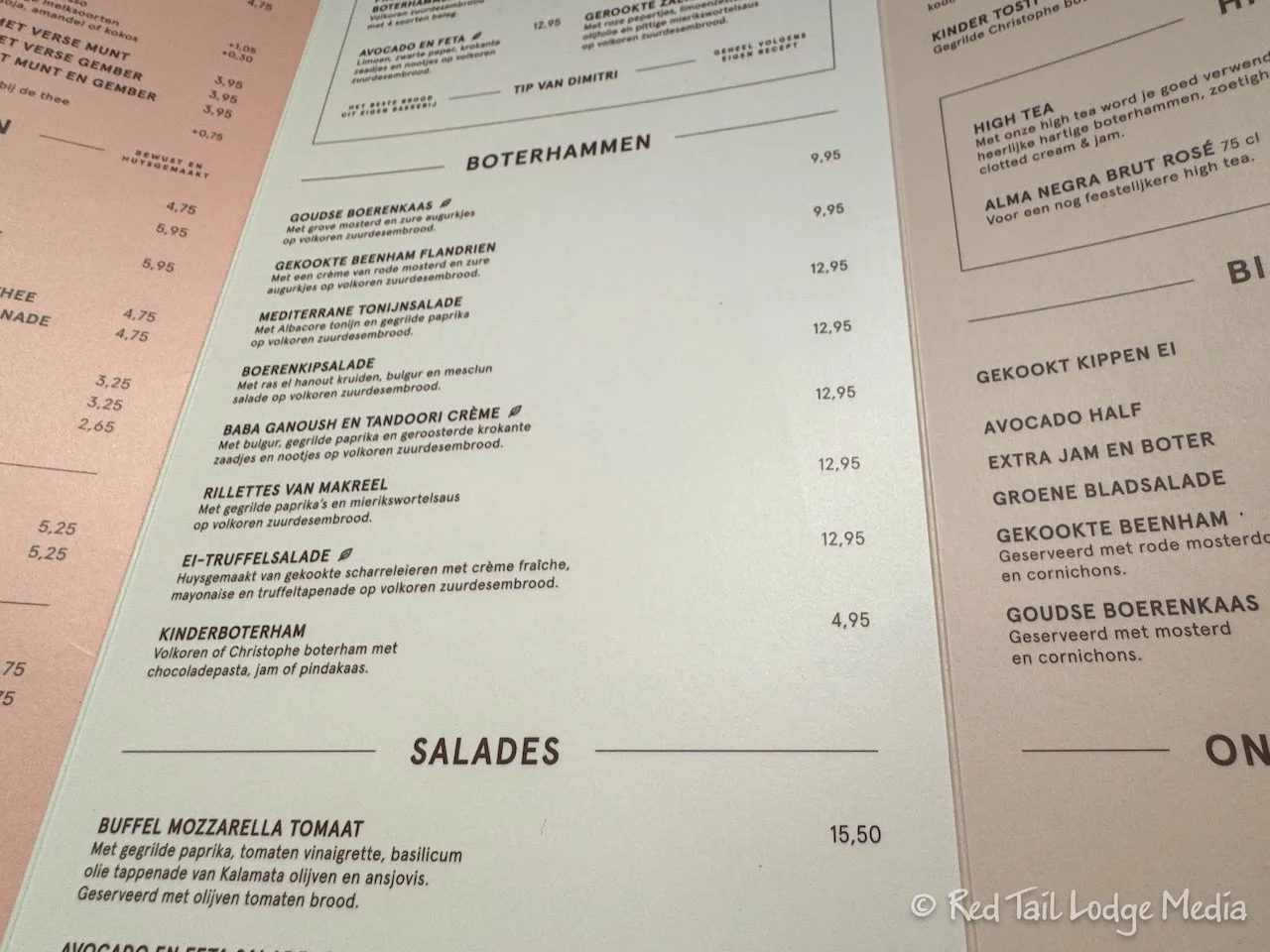
We had to deal with a few different foreign languages while on our European trip. Several decades ago, we lived in Germany for a couple of years, so we can speak German fairly well, but not much of any other language other than English. However, living over there and traveling around to other countries in Europe helped us become comfortable with not knowing everything that is being said or everything we read around us.
While we were in England, Wales, Ireland, and Scotland, everyone spoke English, or at least some form of English, so there wasn’t much of a language barrier there. In Amsterdam, Dutch somewhat looks like a blend of English and German, so we could usually make a good guess at what signs and menus meant. It was our time spent in France, Italy, and the French speaking areas of Switzerland where we had the most trouble.
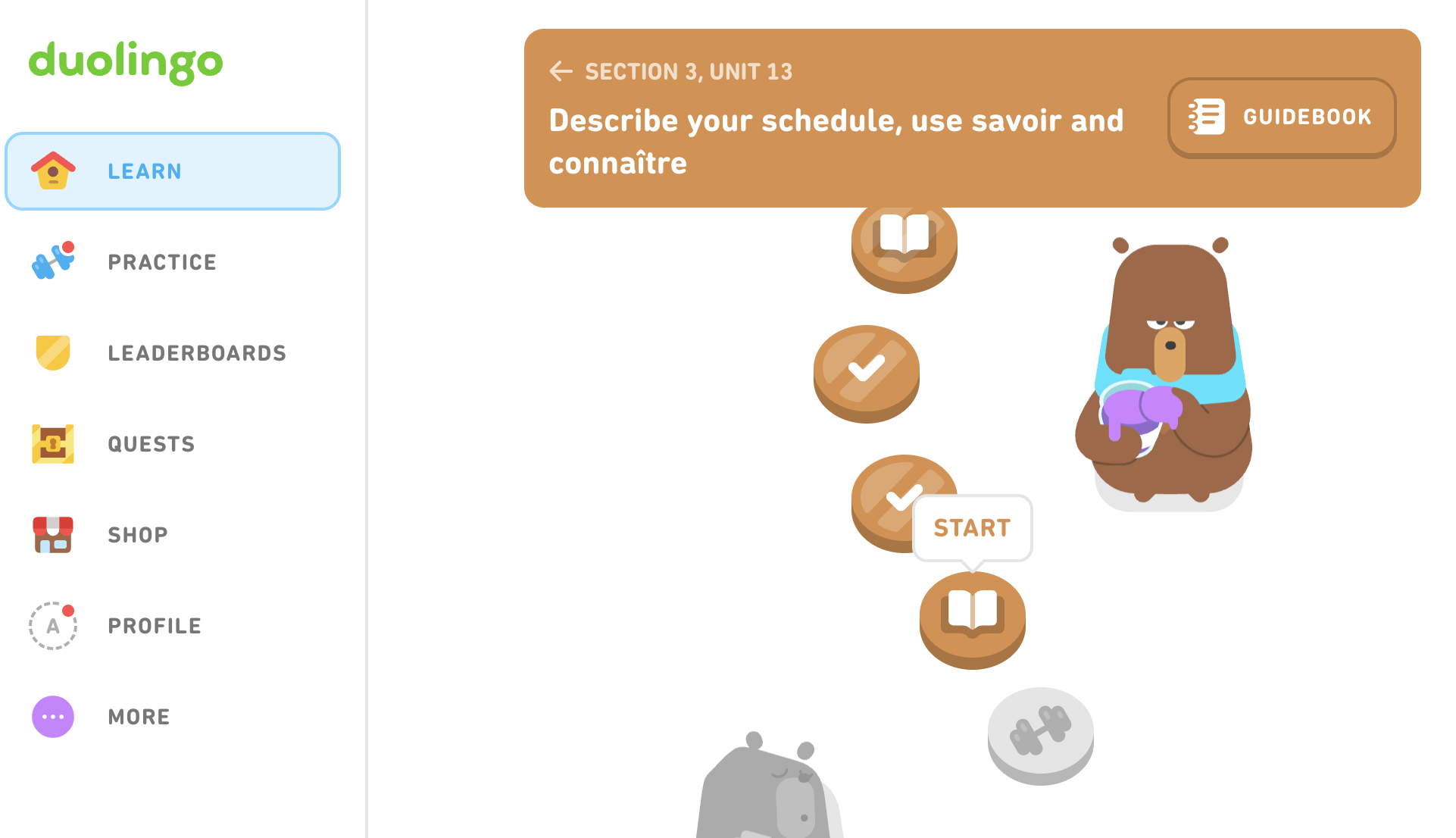
About two years before our trip, Ann started doing language lessons in Duolingo every night for about 15 minutes. She would rotate on a weekly basis between German, French, and Italian. It was a good way to refresh her German skills and to get comfortable with French and Italian. Spending a whole week on the same language seemed about the right balance between not confusing the languages with each other and not losing too much of what she learned two to three weeks before.
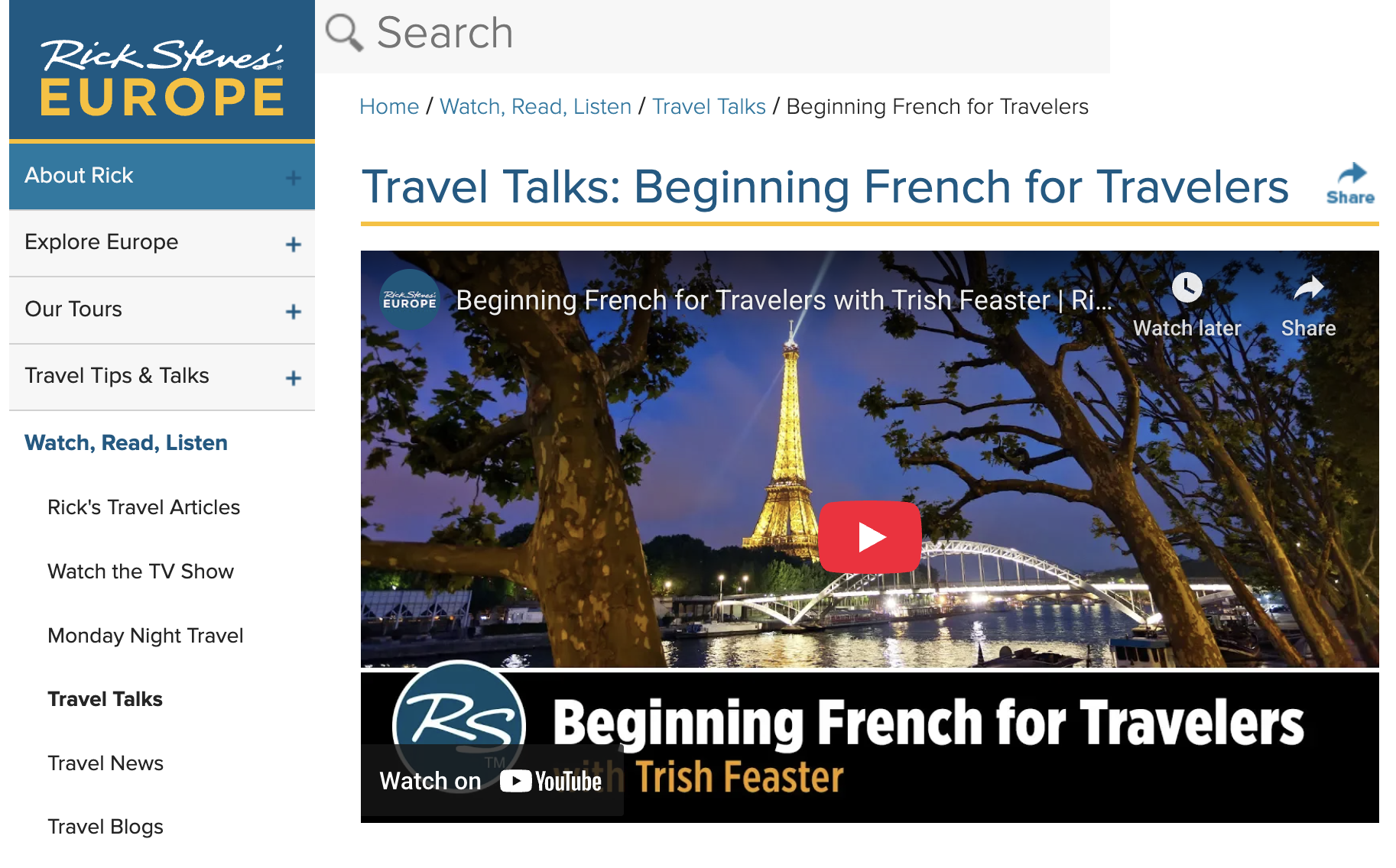
Another good introduction to French and Italian were the Rick Steve’s videos (https://www.ricksteves.com/watch-read-listen/video/travel-talks/french-language and https://www.ricksteves.com/watch-read-listen/video/travel-talks/italian-language). They help get you comfortable with the language with some basic phrases and pronunciation guidelines.

Keith brushed up on his German by listening to Easy German podcasts along with other German videos and taking a couple of lessons through Lingoda. Other than the Rick Steve’s videos, he didn’t spend much time learning French or Italian.
By the time we reached Europe, neither one of us could carry on a conversation in French or Italian, but spending the time to learn a little helped us. Ann could look at a word in French or Italian and pronounce it close enough that someone could understand what she was trying to say. The spoken words sounded familiar and she could pick out a word or two of what was being said.
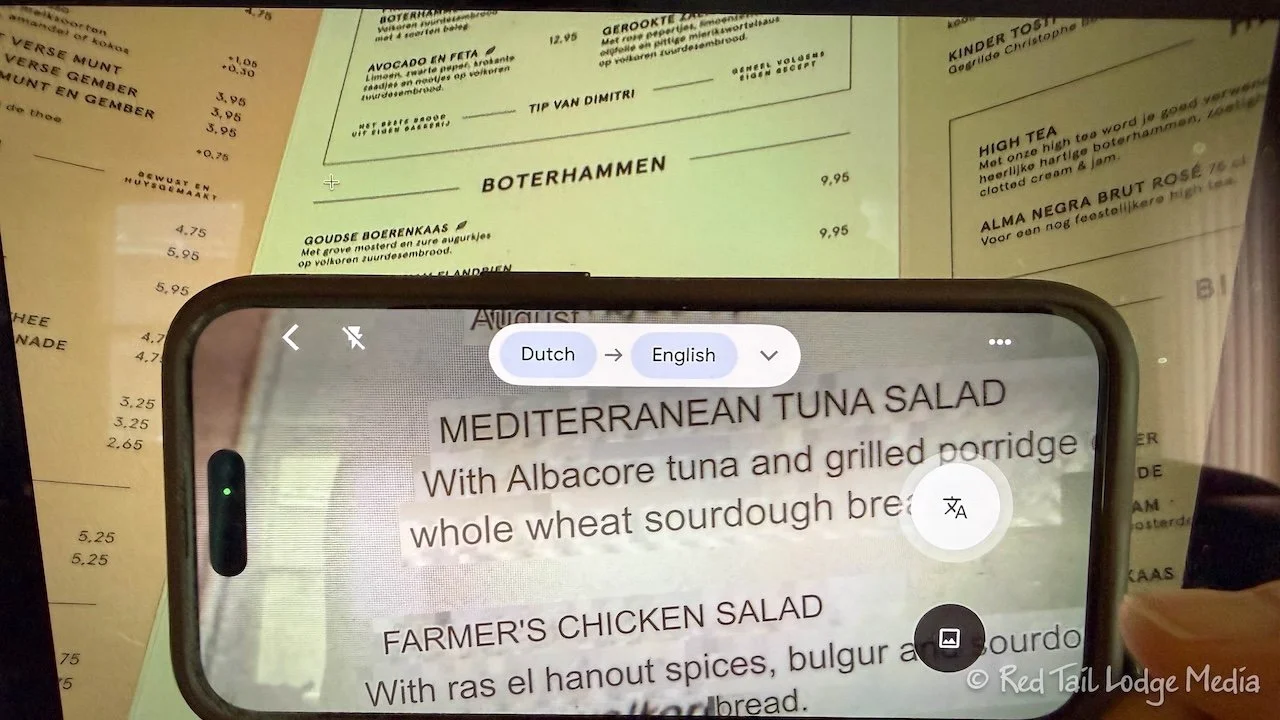
The rest of our understanding came from Google Translate. We had the app on our phones and could type in a word or phrase, speak a word or phrase, or hold the phone’s camera over text (such as a sign or menu). Then Google Translate would give us the translation, either from English to the foreign language or from the foreign language to English. Google Translate not only showed you the translation in text, but would also speak it to you so you could hear what it sounded like. When we were browsing a website, usually there was an option to translate it into English.
Many Europeans, especially in touristy areas, speak English pretty well. However, there were times we came across people who didn’t speak English. Also, someone may know some English, but they don’t feel comfortable speaking it. However, if you attempt to speak their language, you may find them switching to English as they notice you struggling. So learning some basic phrases in their language shows respect and may encourage others to try to speak your language.
Remember, the purpose of language is to communicate. It doesn’t have to be perfect. Words can be combined with hand gestures, such as pointing to something you want to buy. If you’ve never been immersed in a foreign language before, it may seem intimidating and frustrating. Try to approach it as an adventure, a puzzle, or a challenge.

Well, that completes our list of tips. We hope you learned at least one thing from our experiences that will help your next trip go smoother. Happy trails and safe travels!
Check out our related video: Tips and Tricks from Season Seven 2025: Europe
(Ann)